In the first large study of its kind, researchers have recently explored the link between female reproductive physiology and oral microbiome disruption. (Image: 4eka/Shutterstock)
STOCKHOLM, Sweden: The connection between poor oral health and the heightened risk of systemic diseases has been long established, which is why the practice of good oral hygiene is so crucial. In a recent study, researchers with complementary expertise and a joint interest in women's health have examined the dysbiotic variations of the oral microbiome during the menstrual cycle. They found that the hormonal fluctuations that occur while women menstruate can disrupt their oral microbiome, thus compromising their oral health.
The MiMens (Microbiome during the menstrual cycle) study, which aims to describe microbiome dynamics during the menstrual cycle, is a long-term collaboration between the fertility clinics at Rigshospitalet and Hvidovre Hospital in Copenhagen in Denmark and the Centre for Translational Microbiome Research at Karolinska Institutet in Stockholm in Sweden. United by a joint interest in women's health, the researchers investigated various aspects of women's health in relation to the microbiome in the gut, vagina and oral cavity.
In total, the researchers recruited 103 women who had a regular menstrual cycle and were of reproductive age in gynaecological clinics in Copenhagen and profiled their salivary microbiomeat Karolinska Institutet. They then evaluated the effect of hormonal contraceptives, sex hormones, diet and smoking on the oral microbiome during the menstrual, follicular and luteal phases of the menstrual cycle. To gain a thorough understanding of oral ecology and oral disease, the researchers joined forces with their colleagues from the Department of Dental Medicine at Karolinska Institutet. As the researchers explained, the data was then jointly interpreted to deliver meaningful conclusions about women's oral health.
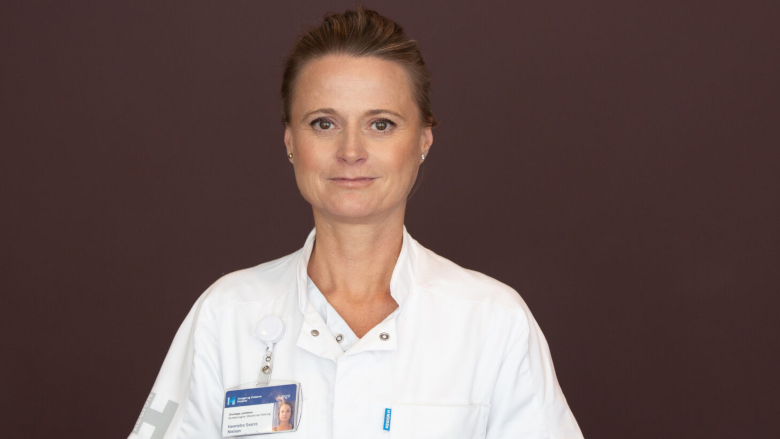
Co-author Dr Henriette Svarre Nielsen. (Image: ReproUnion)
According to the findings, the researchers did not observe any significant overall changes in the diversity of the microbes during the menstrual cycle. However, they did find that the abundance of specific groups of bacteria, such as Campylobacter, Haemophilus, Prevotella and Oribacterium, varied greatly, especially during the luteal phase of the cycle.
Co-authors Dr Henriette Svarre Nielsen, clinical professor in the Department of Clinical Medicine at the University of Copenhagen, and Dr Ina Schuppe Koistinen, alliance director at the Centre for Translational Microbiome Research at Karolinska Institutet, noted that the use of oral contraceptives was found to have limited influence on the oral microbiome, but that smoking and higher sugar consumptions resulted in greater alterations of the microbiota during the transition of the hormonal phases, in line with the deterioration of oral health.
Commenting on how hormonal changes during the menstrual cycle affect the oral microbial ecosystem, co-author Dr Nagihan Bostanci, immediate past president of the Periodontal Research Group of the International Association for Dental Research and professor of inflammation research in the Department of Dental Medicine at Karolinska Institutet, told Dental Tribune International: “The altered levels of certain microorganisms in saliva appear to be overlapping with physiological changes in female hormone levels. This is an indication of distinctive, but not generalised, changes of the microbiome.”
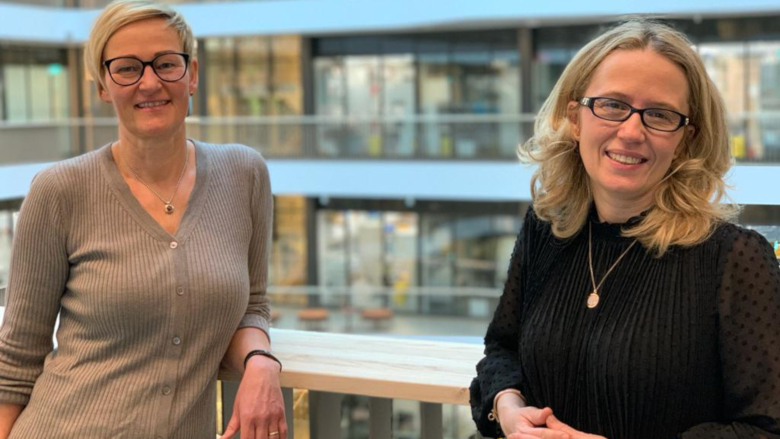
Study co-authors Dr Ina Schuppe Koistinen and Dr Nagihan Bostanci. (Image: Nagihan Bostanci)
“The emerging microorganisms during those stages are known to be associated with gingival inflammation, so we can consider those as dysbiotic changes of the microbial ecosystem, ones that could cause a transient deterioration of oral health if oral hygiene is not well taken care of,” she continued.
Discussing the implications of the study for dentistry, Bostanci noted that the study’s contribution to the dental field is particularly important. She explained that it highlights the need to take the physiological aspects of women's health into consideration for overall health and to advise them accordingly on personalised prevention planning. She added that raising awareness of the fact that women's oral health is more vulnerable during the menstrual cycle will help improve oral hygiene and help adopt appropriate professional screening measures during those periods as well as strengthen the prevention of oral diseases such as gingivitis.
EDINBURGH, Scotland: The Scottish government has confirmed a 3.75% pay increase for National Health Service (NHS) general dental practitioners for the ...
CHARLOTTE, N.C., US: Dentsply Sirona is marking five years of its sustainability strategy, “BEYOND: Taking Action for a Brighter World”, centred on ...
WEITERSTADT, Germany: SprintRay, a dental technology company, recently introduced its expanded digital dentistry platform at 3DNext 2026 in Miami Beach in ...
LOS ANGELES, US: SprintRay, a dental technology company advancing dental 3D printing, has recently announced the commercial launch of SprintRay Midas ...
Digital dentistry has transformed restorative and aesthetic treatment. Technologies such as intra-oral scanning, digital smile design and chairside ...
LONDON, England: SprintRay has announced that it will host the London stop of its Midas World Tour, an exclusive hands-on educational event showcasing ...
LOS ANGELES, US: SprintRay has announced the launch of the Midas World Tour, a global series of hands-on educational events developed in collaboration with ...



 Brazil / Brasil
 Canada / Canada
 Latin America / Latinoamérica
 USA / USA
 Austria / Österreich
 Bosnia and Herzegovina / Босна и Херцеговина
 Bulgaria / България
 Croatia / Hrvatska
 Czech Republic & Slovakia / Česká republika & Slovensko
 France / France
 Germany / Deutschland
 Greece / ΕΛΛΑΔΑ
 Hungary / Hungary
 Italy / Italia
 Netherlands / Nederland
 Nordic / Nordic
 Poland / Polska
 Portugal / Portugal
 Romania & Moldova / România & Moldova
 Slovenia / Slovenija
 Serbia & Montenegro / Србија и Црна Гора
 Spain / España
 Switzerland / Schweiz
 Turkey / Türkiye
 UK & Ireland / UK & Ireland
 China / 中国
 India / भारत गणराज्य
 Pakistan / Pākistān
 Vietnam / Việt Nam
 ASEAN / ASEAN
 Israel / מְדִינַת יִשְׂרָאֵל
 Algeria, Morocco & Tunisia / الجزائر والمغرب وتونس
 Middle East / Middle East
 Dr. Ahmed ElmoghazyLive webinar
 Dr. Gil Asafrana D.M.D, B.M.ScRegister now1CELive webinar
 Dr. Adrian Gnatek PhD | Oral SurgeonRegister now1CELive webinar
 Rayna StrongRegister now1CE









To post a reply please login or register