The sixth GC International Dental Symposium will position prevention, leadership and public health as central elements of contemporary dental practice. (All images: GC Corp.)
TOKYO, Japan: Innovation in dentistry must also support prevention, public health and professional leadership. At the sixth GC International Dental Symposium, set for 3 and 4 October in Tokyo, a cluster of presentations will focus on minimal intervention dentistry, oral health policy, healthy ageing and the role of the next generation of dental leaders. Together, these sessions reflect a growing emphasis on less invasive care and on dentistry that is prevention-oriented, responsive to change and better able to translate scientific progress into meaningful improvements.
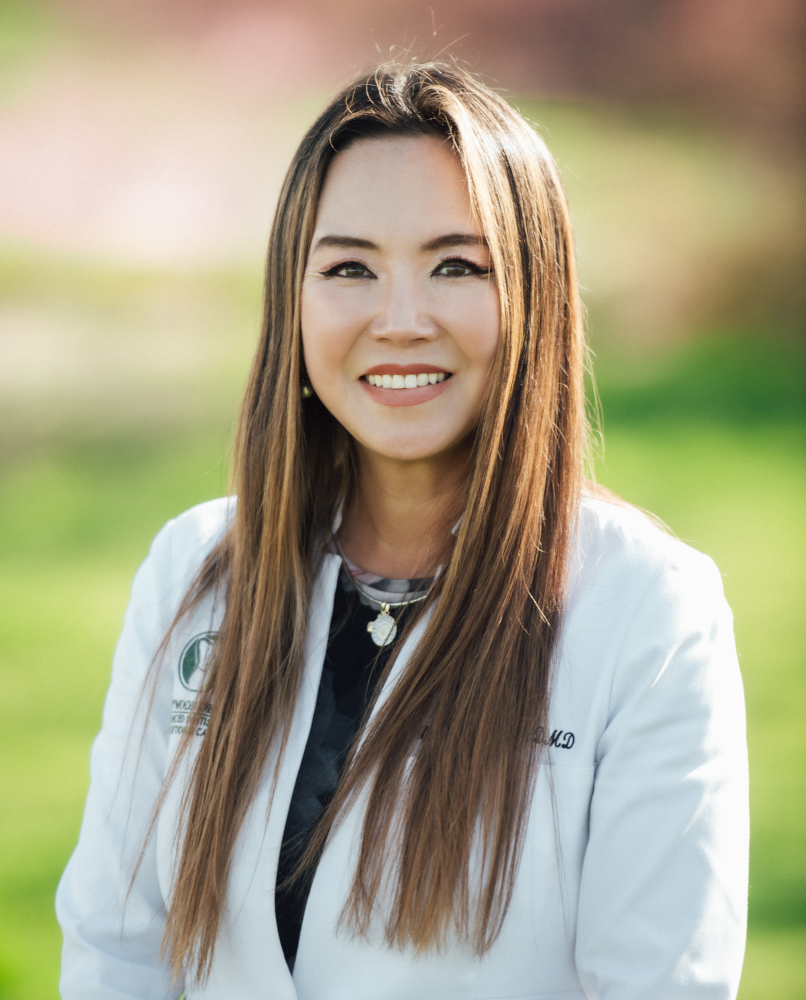
The session “Next-generation dental leadership: Evidence-based innovation and international impact” will bring together speakers working in restorative dentistry and periodontics. Among them will be Dr Michelle Lee, who owns Fleetwood Dental in Pennsylvania in the US and teaches microscope dentistry at the University of Pennsylvania School of Dental Medicine. Speaking to Dental Tribune International about the session’s broader leadership theme, Dr Lee said that turning evidence-based innovation into improvements in practice worldwide requires “bridging the gap between clinical research and daily practice through structured education and accessible mentorship”. She added that leadership should involve participation in global scientific communities and the development of practical education and mentorship that help clinicians apply new evidence.
Dr Michelle Lee owns Fleetwood Dental in Pennsylvania in the US and teaches microscope dentistry at the University of Pennsylvania School of Dental Medicine.
According to Dr Lee, standardised clinical protocols can help translate cutting-edge data into consistent, high-quality patient care. “Ultimately, global impact is achieved when we demystify complex innovations and empower practitioners worldwide to implement them predictably, elevating oral health,” she said.
Dr Lee also emphasised the need for next-generation dental leaders to take a critical and patient-centred approach to emerging dental technologies. She said that new tools—whether related to digital workflows, advanced biomaterials or diagnostics—should not be adopted on the basis of popularity, but should be assessed through rigorous, peer-reviewed evidence.
“Leaders should ask: does this technology improve diagnostic predictability, enhance treatment or tangibly elevate the patient experience?” Dr Lee said. “By committing to continuous, objective evaluation and mentoring others on these frameworks, the next generation can champion innovations that genuinely advance the profession rather than just complicate it.”
Spotlight on less invasive dental care
In the session “MI dentistry: Less invasive, more effective”, presentations by Prof. Katrin Bekes, Dr Naoto Ito and Dr James Fernando will cover a more conservative and prevention-focused approach to caries management, as well as the diagnosis and management of molar incisor hypomineralisation. Rather than treating minimally invasive dentistry as a narrow operative concept, the session places it within a broader framework of maintaining tooth structure, controlling disease and supporting long-term oral health.
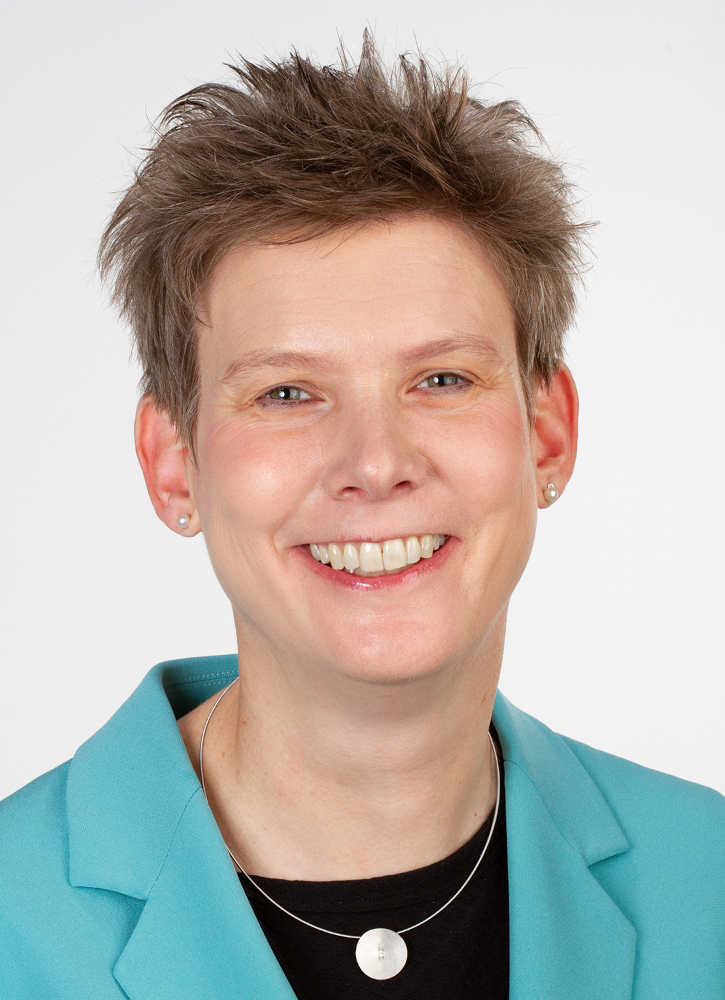
According to Prof. Bekes, this approach is especially relevant in paediatric dentistry. Speaking to Dental Tribune International, she described minimally invasive dentistry as “far more than a treatment philosophy”, calling it “an evidence-based approach that aims to preserve dental tissue while respecting the biology of the developing dentition”.
She emphasised that, in paediatric dentistry, interventions should aim to maintain tooth vitality and limit the restorative burden over a child’s lifetime. “Research has consistently shown that early diagnosis, prevention and biologically oriented treatment strategies can effectively control disease while avoiding unnecessary removal of healthy tooth structure,” Prof. Bekes said. Advances in adhesive materials, bioactive approaches and minimally invasive operative techniques, she added, now allow clinicians to manage many conditions with greater precision and predictability than in the past.
Prof. Bekes also pointed to the benefits of minimally invasive dentistry beyond the tooth. Reducing pain, anxiety and treatment complexity can help create positive dental experiences for children and support better long-term oral health behaviours, she explained. “Ultimately, the goal is not simply to restore teeth, but to preserve function, maintain oral health and improve quality of life through evidence-based, patient-centred care,” she said.
Prof. Katrin Bekes is head of the Department of Paediatric Dentistry at the Medical University of Vienna in Austria and president of the German Society of Paediatric Dentistry.
She cited the management of early caries to illustrate the role of non-invasive or micro-invasive strategies in arresting or reversing disease. She also highlighted the minimally invasive management of developmental enamel defects, such as molar incisor hypomineralisation.
According to Prof. Bekes, as understanding of molar incisor hypomineralisation has evolved, treatment has moved away from reliance on extensive restorative procedures and towards earlier diagnosis, risk-based management and prevention of post-eruptive enamel breakdown. Depending on the tooth and severity, minimally invasive strategies may include preventive measures, desensitising therapies, fissure sealing, resin infiltration and adhesive restorations that preserve tooth structure. “These approaches are not only biologically sound but also help maintain pulpal health, reduce the need for repeated interventions and improve children’s oral health-related quality of life,” Prof. Bekes said.
This preventive focus will be complemented by the session “Global oral health policy and Japan’s steps toward the future of older adult care”, which will be presented by Dr Kakuhiro Fukai, Dr Hideto Takahashi, Dr Hirohiko Hirano and Prof. Gerry McKenna. The session will examine strategies for strengthening oral health systems for ageing populations, oral function management in ageing societies and pragmatic approaches to delivering dental care for dependent older adults.
This focus reflects a wider international conversation about oral health as a component of healthy ageing. As populations age, the role of dental professionals is extending beyond treating oral disease to supporting nutrition, function, communication and general well-being too. By bringing these themes together, the sixth GC International Dental Symposium will position prevention and public health not as peripheral topics but as central elements of contemporary dental practice.
One Week of Excellence
Organised by GC Corp., the sixth GC International Dental Symposium will present a multidisciplinary programme covering topics such as restorative dentistry, prosthodontics, implantology, dental materials, endodontics, aligner therapy, prevention, public health and digital workflows. The event is being held as part of GC’s broader One Week of Excellence programme, which will involve social events and organised cultural activities, such as tours of Tokyo and the mountain town of Nikkō, too. More information is available on the symposium website.
LEUVEN, Belgium: Whether it is a sophisticated composite or an advanced adhesive, every new dental product must be safe, precise and reliable. At GC, ...
LEUVEN, Belgium: KU Leuven and GC Europe have renewed the Toshio Nakao Chair for Adhesive Dentistry for 2026–2030. The chair is one of the oldest endowed ...
TOKYO, Japan: Innovation in dentistry is often discussed in terms of new products; however, its clinical significance lies in how materials and technologies...
LEUVEN, Belgium: GC Corporation is marking a special anniversary in the dental world this year as it looks back on 105 years of history. What began in 1921 ...
TOKYO, Japan: Predictable, aesthetic and minimally invasive restorative dentistry will be a prominent theme at the sixth GC International Dental Symposium, ...
TOKYO, Japan: Set for 3 and 4 October in Tokyo, the sixth GC International Dental Symposium will bring together general practitioners, specialists, dental ...
Education
Live webinar Thu. 5 November 2026 1:00 pm EST (New York)



 Brazil / Brasil
 Canada / Canada
 Latin America / Latinoamérica
 USA / USA
 Austria / Österreich
 Bosnia and Herzegovina / Босна и Херцеговина
 Bulgaria / България
 Croatia / Hrvatska
 Czech Republic & Slovakia / Česká republika & Slovensko
 France / France
 Germany / Deutschland
 Greece / ΕΛΛΑΔΑ
 Hungary / Hungary
 Italy / Italia
 Netherlands / Nederland
 Nordic / Nordic
 Poland / Polska
 Portugal / Portugal
 Romania & Moldova / România & Moldova
 Slovenia / Slovenija
 Serbia & Montenegro / Србија и Црна Гора
 Spain / España
 Switzerland / Schweiz
 Turkey / Türkiye
 UK & Ireland / UK & Ireland
 China / 中国
 India / भारत गणराज्य
 Pakistan / Pākistān
 Vietnam / Việt Nam
 ASEAN / ASEAN
 Israel / מְדִינַת יִשְׂרָאֵל
 Algeria, Morocco & Tunisia / الجزائر والمغرب وتونس
 Middle East / Middle East


 Dr. Pierre Marin, Dr. Antoine PopelutRegister now1CELive webinar
 Dr. Sinan GhishanRegister now1CELive webinar
 Dr. Sonia PresenciaLive webinar
 Dr. John Tsourounakis DDS, Cert. Perio, MS, FRCD(C)Register now1CE















To post a reply please login or register