A few words on the nature of these images are warranted—after all, we are not talking about photographs taken on film and kept in a physical photograph album. Firstly, images that circulate on the internet are absolutely durable, potentially infinite in lifespan; they cannot perish or be misplaced as a physical photograph might. Secondly, their geographical spread is also limitless, capable of circulating instantaneously around the world, not living as a physical entity in someone’s private collection in a specific locale. Finally, the value placed on images is now enormous; images and videos do not simply capture or reflect lived reality, but can come to stand in for and replace it, becoming what French philosopher Jean Baudrillard called “simulacra”. For those existing in this digital realm, their identities become very firmly connected to, and in some cases totally synonymous with, the images and videos of themselves that circulate online. Like it or not, many of us are guilty of unconsciously judging others based on the photographs and videos we encounter of them on the internet. This naturally places an enormous premium on what is and what can be seen.
So, the broader cultural context is therefore one now dominated by online imagery. Our physical appearance, captured and then transmitted across the social media universe, becomes an invaluable means for displaying ourselves to the world. There is an ever-increasing investment in self-presentation, on attending not just to how we look but, much more specifically, to how we are visually memorialised by social media, a process that can be endlessly perfected by the number of takes possible as well as the range of technical edits and adjustments any contemporary smartphone is capable of.
Within this new regime of obsessive self-presentation, the face is the expressive medium par excellence, the place where the qualities of beauty, happiness, and youth are distilled. This is where the smile and the teeth it reveals come into play. Within photographs and videos, there is a clear expectation, whether explicit or implicit matters little, that we demonstrate happiness, since our culture assigns this emotion the greatest aesthetic value. It is not so much that our culture truly cares that we are happy, but that it insists that we, at least, make our best effort to appear happy. To look unhappy in the visual media that we supply to the world as an image of our true selves is almost unthinkable and would invariably attract comment and critique.
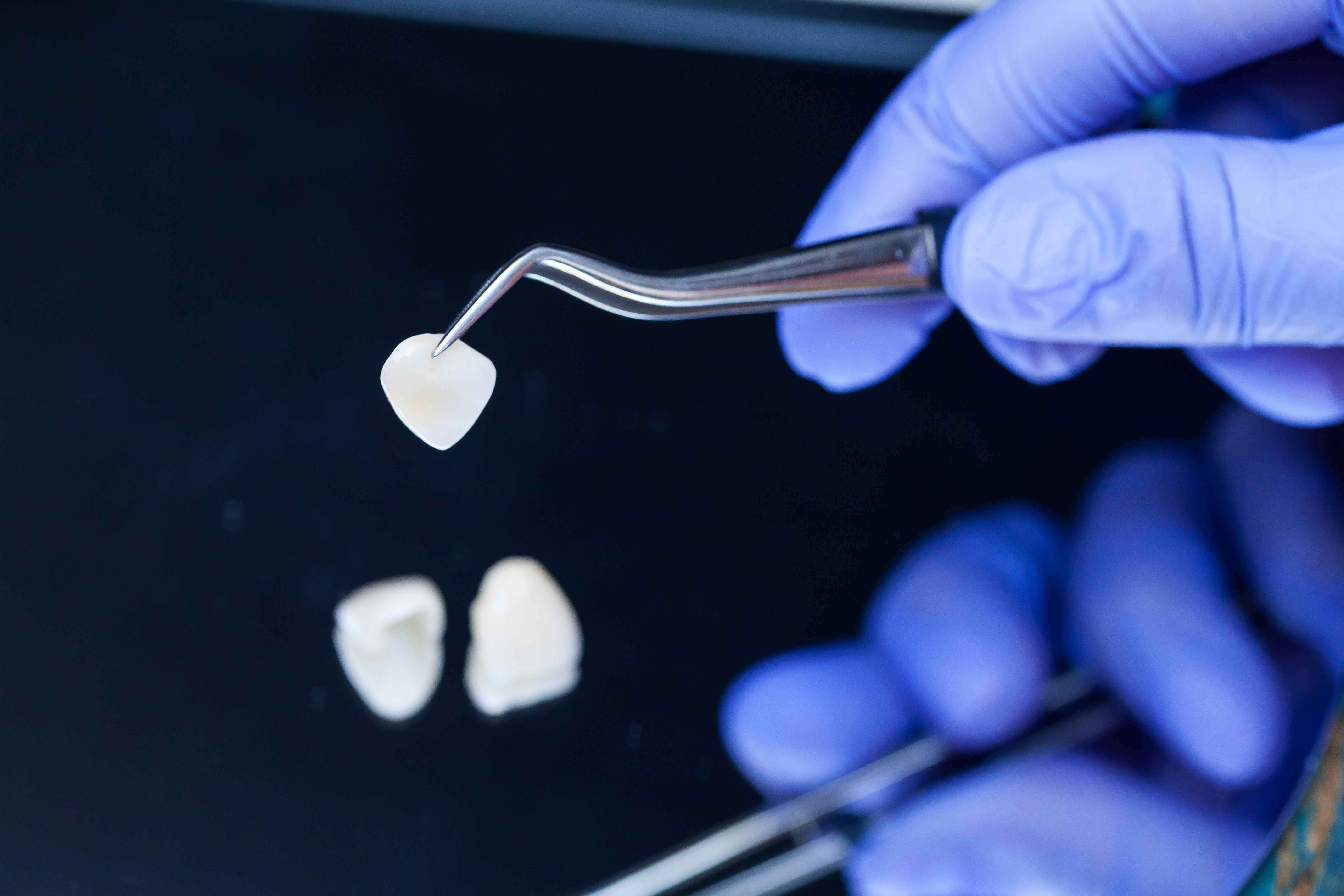
When we are happy, we smile, the lips widen to reveal the teeth. So, it transpires that we invariably smile in photographs, indicating the happiness that is supposed to dwell inside. The parameters of the overall situation are thus determined. We are fully ensconced within a culture that places massive value on representing reality and our identities through images and videos. Since there is a powerful cultural expectation that we smile within these media, our teeth become central to the equation of self-presentation. Displaying our teeth in photographs showing our happy selves is of course nothing new; what is new is that this practice now occurs within a new culture that is totally embedded in the visual, where static and moving images proliferate, circulate and define reality with unimagined intensity and speed. Seen in this way, it is fully expected, logical and natural that “fashion is going mad for mouths” as the English newspaper The Standard recently put it. But this dental delirium cannot be adequately explained as a typical postmodern rehashing of previous trends, as ordinary people imitating the famous or as some new mode of authentic self-expression. No, perfecting teeth and decorating teeth with grills, ornamental crowns, gems and so forth is a practice that our compulsively visual culture demands and extracts from us. With so much attention invested upon capturing our faces, we acquiesce with a panoply of aesthetic responses.



 Brazil / Brasil
 Canada / Canada
 Latin America / Latinoamérica
 USA / USA
 Austria / Österreich
 Bosnia and Herzegovina / Босна и Херцеговина
 Bulgaria / България
 Croatia / Hrvatska
 Czech Republic & Slovakia / Česká republika & Slovensko
 France / France
 Germany / Deutschland
 Greece / ΕΛΛΑΔΑ
 Hungary / Hungary
 Italy / Italia
 Netherlands / Nederland
 Nordic / Nordic
 Poland / Polska
 Portugal / Portugal
 Romania & Moldova / România & Moldova
 Slovenia / Slovenija
 Serbia & Montenegro / Србија и Црна Гора
 Spain / España
 Switzerland / Schweiz
 Turkey / Türkiye
 UK & Ireland / UK & Ireland
 China / 中国
 India / भारत गणराज्य
 Pakistan / Pākistān
 Vietnam / Việt Nam
 ASEAN / ASEAN
 Israel / מְדִינַת יִשְׂרָאֵל
 Algeria, Morocco & Tunisia / الجزائر والمغرب وتونس
 Middle East / Middle East

 Dr. Dimple DesaiWatch recording1CELive webinar
 Dr. Ahmed ElmoghazyLive webinar
 Dr. Gil Asafrana D.M.D, B.M.ScRegister now1CELive webinar
 Dr. Adrian Gnatek PhD | Oral SurgeonRegister now1CE
















To post a reply please login or register