In a recent study, researchers found that the oral cavity serves as a target for SARS-CoV-2 and that this may cause salivary gland ectasia and oral disease even after clinical recovery from COVID-19. (Image: Halfpoint/Shutterstock)
MILAN, Italy: Since the evidence of oral manifestations linked to SARS-CoV-2 is scarce, researchers have recently set out to fill the gap by investigating the presence and prevalence of oral conditions in people who had contracted COVID-19 and successfully recovered from it. They discovered that SARS-CoV-2 directly affects the oral cavity of COVID-19 survivors, which is manifested by a significant number of the patients developing salivary gland ectasia and other oral diseases after clinical recovery.
Lead researcher Prof. Enrico Gherlone, rector of the Vita-Salute San Raffaele University and director of the Department of Dentistry Unit at the IRCCS Ospedale San Raffaele scientific hospital in Milan, told Dental Tribune International (DTI) that the primary motivation for conducting the study was the direct involvement of the doctors at San Raffaele University hospital in the fight against SARS-CoV-2. For that reason, the researchers set out to learn more about the effect of COVID-19 on oral health and performed an extra- and intra-oral examination of the oral cavity in 122 patients admitted to the hospital between 23 July and 7 September 2020.
The participants’ oral health status was assessed approximately three months after hospital discharge. The extra-oral examination involved examining the presence or absence of abnormalities in facial lymph nodes and the temporomandibular joint, as well as any facial asymmetries. With the intra-oral examination, the researchers assessed the patients’ lips, cheeks, salivary glands, hard palate, oropharynx, tongue, mucous membrane and frenula.
According to the researchers, none of the patients reported oral cavity disorders before becoming infected with SARS-CoV-2. However, at follow-up evaluation, 101 COVID-19 survivors (83.6%) experienced oral cavity or facial abnormalities.
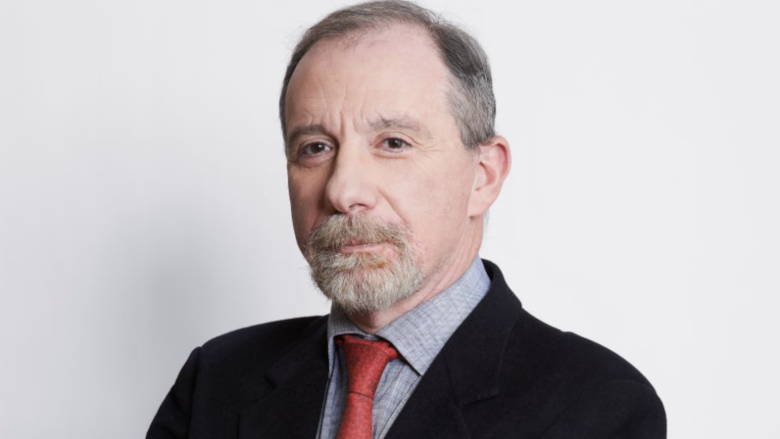
Lead author Prof. Enrico Gherlone. (Image: Vita-Salute San Raffaele University)
“We discovered that oral manifestations and, specifically, salivary gland ectasia, are unexpectedly common, being detectable in 83.9% and 43% of COVID-19 survivors, respectively. Salivary gland ectasia reflected the hyperinflammatory response to SARS-CoV-2, as demonstrated by the significant relationship with C-reactive protein and lactate dehydrogenase (LDH) levels at hospital admission, and with the use of antibiotics during acute disease,” Gherlone told DTI.
“Both LDH levels and antibiotic administration are considered independent predictors of salivary gland ectasia at multivariable analysis,” he explained.
Besides salivary gland ectasia, oral symptoms such as temporomandibular joint abnormalities, facial pain and masticatory muscle weakness were also common among the patients. In light of the findings, the researchers commented that COVID-19 causes damage to the oral cavity even after clinical recovery and that the oral cavity constitutes a preferential target for SARS-CoV-2 infection.
Gherlone noted that it is crucial for dental professionals to acquire a vast knowledge of COVID-19 in order to help fight the disease and mitigate its risks. By doing this, they would greatly contribute to improving the quality of prevention and treatment of the disease, he explained.
“Above all, they must investigate the possible consequences in the oral cavity that affect the processes of inflammation, healing and defence in order to develop specific protocols to better treat patients surviving COVID-19 and, thus, to improve their overall health status.”
“From our research, it is clear that there is an abnormality at the level of the salivary glands. Therefore, our patients may have altered salivation resulting in increased cario-receptivity or increased caries accumulation and, consequently, increased inflammation; however, further studies are needed to confirm this hypothesis,” Gherlone concluded.
DTI has recently reported on a different study that found evidence thatSARS-CoV-2 infects cells in the mouth. The findings were similar to those of the present study. The researchers concluded that the oral cavity could play an important role in SARS-CoV-2 infection and called for appropriate prevention measures in dental settings.
GENEVA, Switzerland: The FDI World Dental Congress (WDC) 2026 will take place in Prague in the Czech Republic from 4 to 7 September, bringing the global ...
COLLEGE STATION, Texas, US: A new intra-oral biosensor developed in the US could transform how periodontal disease is detected and monitored. Aiming to help...
MEDFORD, Mass., US: Stress can present as a wide range of physical, emotional and social symptoms, such as irritability, headache, anxiety and elevated ...
MANCHESTER, England: Many dental professionals use behavioural techniques alongside routine oral hygiene advice to help patients improve their brushing and ...
GOTHENBURG, Sweden: As the popularity of snus continues to grow, so too does the diversity of products available, which now include portion-packed snus and ...
SOMERVILLE, Mass., U.S.: The dramatic shift toward more personalized dental treatment is perhaps no more evident than within digital dentistry. In another ...
What if we could replace the cumbersome process of validation for our devices, banking and other secure entry points with a flick of the tongue? According ...
GUANGZHOU, China: One of the keys to controlling dental caries and periodontal disease is early detection of dental lesions and cavities. A novel mouth ...
MASSACHUSETTS, U.S.: The digital world allows for a broad scope of data to be collected within a range of fields. In a new data collection advancement that ...
Education
Live webinar Thu. 2 April 2026 12:00 pm EST (New York)



 Brazil / Brasil
 Canada / Canada
 Latin America / Latinoamérica
 USA / USA
 Austria / Österreich
 Bosnia and Herzegovina / Босна и Херцеговина
 Bulgaria / България
 Croatia / Hrvatska
 Czech Republic & Slovakia / Česká republika & Slovensko
 France / France
 Germany / Deutschland
 Greece / ΕΛΛΑΔΑ
 Hungary / Hungary
 Italy / Italia
 Netherlands / Nederland
 Nordic / Nordic
 Poland / Polska
 Portugal / Portugal
 Romania & Moldova / România & Moldova
 Slovenia / Slovenija
 Serbia & Montenegro / Србија и Црна Гора
 Spain / España
 Switzerland / Schweiz
 Turkey / Türkiye
 UK & Ireland / UK & Ireland
 China / 中国
 India / भारत गणराज्य
 Pakistan / Pākistān
 Vietnam / Việt Nam
 ASEAN / ASEAN
 Israel / מְדִינַת יִשְׂרָאֵל
 Algeria, Morocco & Tunisia / الجزائر والمغرب وتونس
 Middle East / Middle East
 Dr. Shizuma ShibataLive webinar
 Dr. Matthias RzeznikRegister now1.5CELive webinar
 Dr. Mona PatelRegister now1CELive webinar

 Prof. Moritz Kebschull, Cat EdneyRegister now1CE







To post a reply please login or register