A new artificial intelligence rollout by Aspen Dental is set to strongly position the company within the sphere of digital dentistry. (Image: artbot/Adobe Stock)
Last month, Aspen Dental Management completed the rollout of VideaHealth’s clinical artificial intelligence (AI) platform across its practices nationwide. Dental Tribune International spoke with Dr Arwinder Judge, chief clinical officer at The Aspen Group (TAG), about the deployment, the technology’s impact on clinical practice and what the future of AI-enabled dentistry may hold. In this interview, Dr Judge also reflects on how the company has moved from digital experimentation to full-scale AI integration, reshaping how dentists diagnose, communicate with patients and plan treatment.
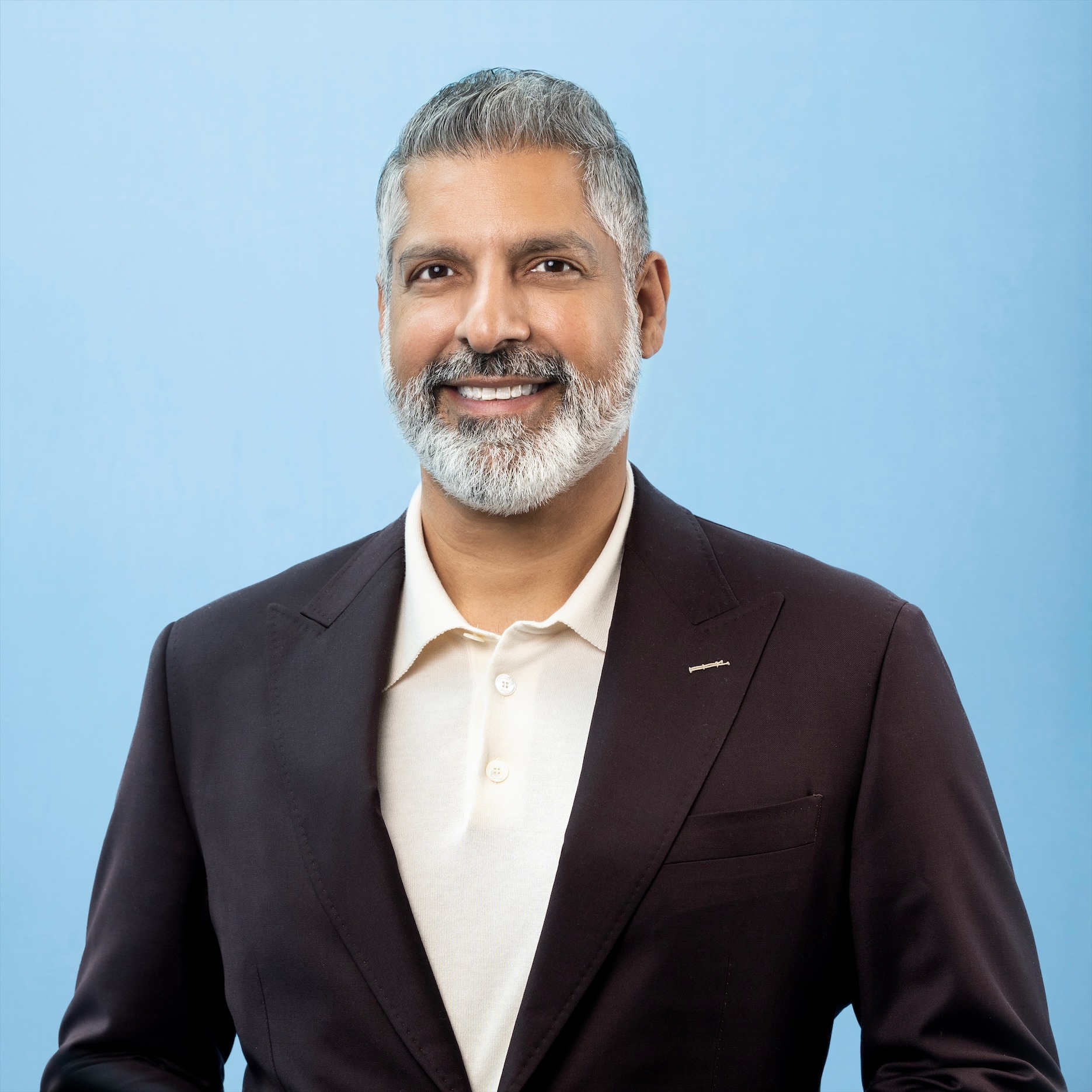
Dr Arwinder Judge, chief clinical officer at The Aspen Group. (Image: Aspen Dental)
Dr Judge, you have been with Aspen Dental since 2008 and have witnessed the organisation’s evolution over nearly two decades. How does this AI rollout compare with previous phases of digital transformation, and what does it signal about the maturity of dentistry’s current innovation cycle? Innovation has always been part of our DNA—not innovation for its own sake, but innovation that strengthens both clinical confidence in providers and their ability to deliver the best patient care. Over the years, we’ve integrated digital radiography, CBCT, intra-oral scanning and guided workflows, each step improving either diagnostic capability or efficiency. But this AI rollout represents something different. Our deployment of AI-powered clinical support across more than 1,100 supported practices—one of the largest implementations of its kind—signals that dentistry is moving beyond experimentation. We are no longer asking whether AI belongs in practice. We are saying it is a basic requirement. That’s a sign of maturity.
“Innovation has always been part of our DNA.”
The nationwide rollout was completed in just six weeks. You have emphasised that the right technology, implemented with intention, can meaningfully support providers. What did intentional implementation look like in practical terms across these practices? The rollout may have been six weeks, but the preparation was many months in the making. Intentional implementation meant piloting the technology carefully, evaluating it rigorously and ensuring a natural fit within existing clinical workflows before scaling. There is a difference between adding software and integrating a clinical support tool. We were focused on integration—and that also meant prioritising people. We provided structured training, not just on how the platform functions, but also on how to incorporate it into patient conversations. AI changes how the dentist shows and explains findings. That requires confidence and clarity. We also reinforced one critical principle: this is a support tool; dentists maintain full clinical autonomy. The technology highlights the clinician’s diagnosis and treatment plan. When that boundary is clear, adoption becomes authentic rather than forced.
From your perspective as a clinical leader and mentor, how has AI tangibly changed the clinical experience—particularly in diagnosis, documentation, case presentation and patient communication? The most meaningful change has been in the patient conversation. When radiographs include AI-supported annotations, patients see what we see. Rather than just an abstract black and white image, it allows us to share a visual that adds actual colour and depth to our explanation. That shared clarity builds trust quickly. In pilot practices, we observed a 12% increase in treatment acceptance following implementation. More importantly, we saw earlier intervention: patients chose to accept care before their oral health conditions progressed. For early-career dentists, the technology provides reassurance that findings are being reviewed comprehensively. For experienced clinicians, it enhances the patient discussion. In both cases, it strengthens consistency without replacing expertise. This is not about AI replacing clinical judgement. It is about making clinical expertise more visible and more understandable to the patient sitting in the chair.
Aspen Dental supports over 2,000 Aspen Dental dentists nationwide. How do you ensure that AI enhances clinical consistency while safeguarding professional judgement and autonomy? That balance was non-negotiable. AI introduces a consistent visual framework when reviewing radiographs across supported practices. That consistency improves calibration—what is flagged for review and what is highlighted for discussion—but interpretation and treatment planning remain entirely the responsibility of the dentist. As a support organisation, TAG’s role is to provide infrastructure, education and systems that elevate practice. Clinical decisions remain between the dentist and the patient.
“When technology enhances clarity, strengthens communication and supports confident decision-making, that is meaningful progress.”
Large-scale digital transformation raises important questions around data governance and organisational resilience. How are patient data protection and continuity of care addressed? Clinical trust depends on a secure infrastructure. AI integration operates within Aspen Dental’s established IT and cybersecurity framework, aligned with regulatory and privacy standards. Data protection, redundancy planning and continuity safeguards were embedded into the deployment process from the outset. Operationally, the system integrates into existing radiographic workflows rather than replacing them, ensuring continuity of care. We also implemented rapid-response support channels during rollout to minimise disruption. Innovation must be secure, reliable and resilient. Otherwise, it doesn’t deserve adoption.
Aspen Dental described this rollout as laying the groundwork for a broader pipeline of AI-powered innovations. From a clinical standpoint, what developments do you expect to be most transformative? This rollout is foundational. We see AI expanding in ways that support earlier detection, more proactive preventive conversations and reduced administrative friction within supported practices. Internally, we refer to this broader direction as Aspen Intelligence, a coordinated effort to integrate consultative, clinical and operational insights into smarter workflows. The most transformative impact will not be a single feature. It will be the cumulative effect of systems that remove friction from daily practice, allowing dentists to focus more fully on patient outcomes and less on administrative burden. Our goal remains simple: equip dentists with tools that make it easier to practise at a high level. When technology enhances clarity, strengthens communication and supports confident decision-making, that is meaningful progress. That is how we move dentistry forwards—thoughtfully, responsibly and always with the patient at the centre.
TIRUCHIRAPPALLI, India: The integration of artificial intelligence (AI) into medical imaging can support diagnosis and reduce clinical workload. A new study...
BOSTON, US: VideaHealth and Aspen Dental have completed one of the largest artificial intelligence (AI) deployments seen in dentistry, rolling out AI ...
BERLIN, Germany: Researchers in Germany have mapped how the element zinc is distributed throughout teeth in unprecedented detail. By combining complementary...
DUBLIN, Ireland: Sustainability is now widely recognised as a core responsibility in dentistry, although translating this into measurable action remains ...
Education
Live webinar Wed. 8 April 2026 1:00 pm EST (New York)
BRUSSELS, Belgium: Prof. Mia Rakić has been appointed president of the European Federation of Periodontology (EFP), succeeding Dr Spyros Vassilopoulos. ...
SEOUL, South Korea: The Osstem Master Course is a comprehensive, integrated clinical programme comprising 24 sessions. Moving beyond one-off courses, it ...



 Brazil / Brasil
 Canada / Canada
 Latin America / Latinoamérica
 USA / USA
 Austria / Österreich
 Bosnia and Herzegovina / Босна и Херцеговина
 Bulgaria / България
 Croatia / Hrvatska
 Czech Republic & Slovakia / Česká republika & Slovensko
 France / France
 Germany / Deutschland
 Greece / ΕΛΛΑΔΑ
 Hungary / Hungary
 Italy / Italia
 Netherlands / Nederland
 Nordic / Nordic
 Poland / Polska
 Portugal / Portugal
 Romania & Moldova / România & Moldova
 Slovenia / Slovenija
 Serbia & Montenegro / Србија и Црна Гора
 Spain / España
 Switzerland / Schweiz
 Turkey / Türkiye
 UK & Ireland / UK & Ireland
 China / 中国
 India / भारत गणराज्य
 Pakistan / Pākistān
 Vietnam / Việt Nam
 ASEAN / ASEAN
 Israel / מְדִינַת יִשְׂרָאֵל
 Algeria, Morocco & Tunisia / الجزائر والمغرب وتونس
 Middle East / Middle East
 Dr. Matthias RzeznikRegister now1.5CELive webinar
 Dr. Mona PatelRegister now1CELive webinar

 Prof. Moritz Kebschull, Cat EdneyRegister now1CELive webinar
 Dr. Jesper Hatt DDSRegister now1CE













To post a reply please login or register