Search Dental Tribune

“It genuinely feels like having a digital co-pilot in the clinic”

Dr Alexandru Bogdan argues that digital dentistry is no longer a future trend, but an essential part of modern clinical practice, improving precision, efficiency and patient engagement. (Image: Facundo/Adobe Stock)

Mon. 31. August 2026

save

As imaging, CAD/CAM and artificial intelligence (AI) move from specialist applications into everyday clinical practice and workflows become increasingly connected, dentists are not only adopting new tools, but also rethinking how they work, communicate with patients and collaborate with laboratories. One clinician at the forefront of this shift is second-generation dentist Dr Alexandru Bogdan. His practice in Sibiu in Romania is built around digital workflows and guided implantology, and he has made exocad a central part of his clinical ecosystem. In this interview with Dental Tribune International, Dr Bogdan discusses his digital journey, the technologies shaping his practice and his vision for the future of digital dentistry.

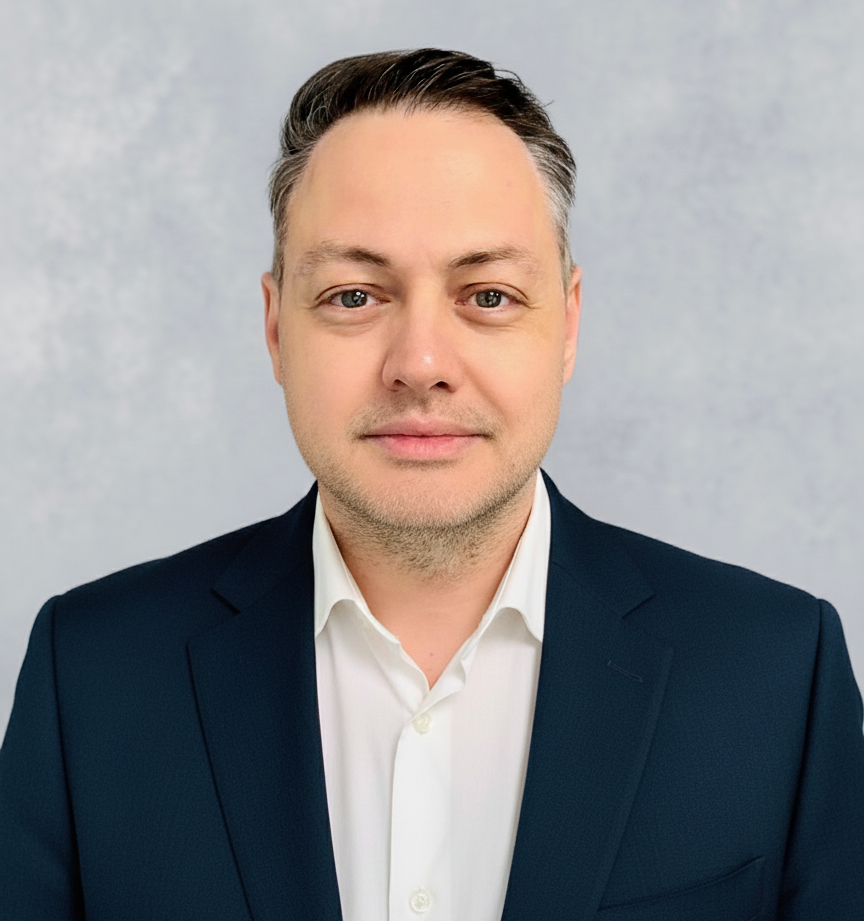
Dr Alexandru Bogdan, a second-generation dentist at 360° Dental Clinic in Sibiu in Romania. (Image: Dr Alexandru Bogdan)

Dr Alexandru Bogdan, a second-generation dentist at 360° Dental Clinic in Sibiu in Romania. (Image: Dr Alexandru Bogdan)

Dr Bogdan, how did your journey with digital dentistry begin, and when did you start using exocad?
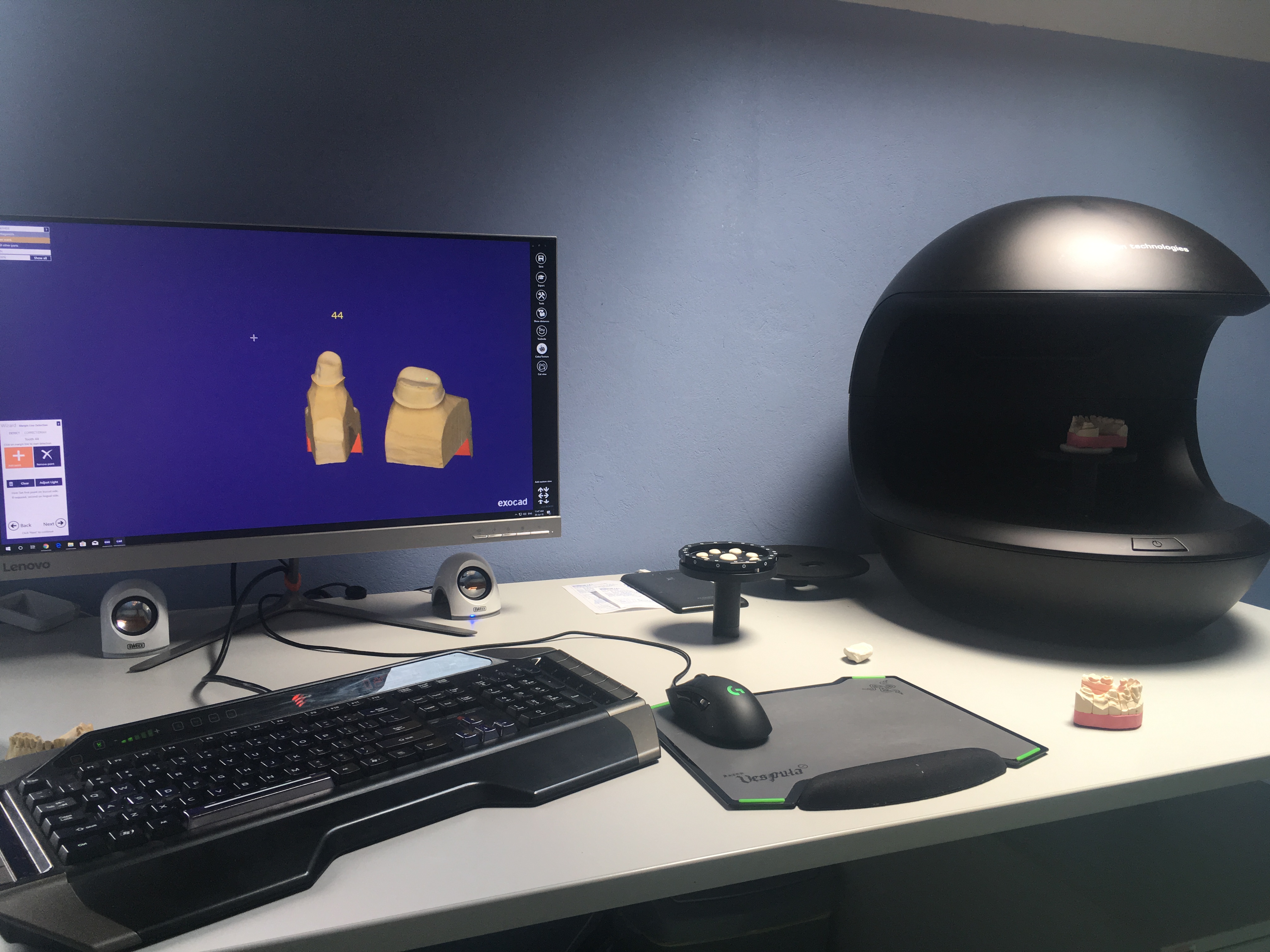
My digital journey began in 2013, when I first adopted a chairside digital workflow, sparking a passion for streamlining clinical workflows. By 2016, most of my implant surgeries were fully guided. The real shift came in 2018 when our clinic integrated exocad and MillBox, enabling seamless design for cases ranging from single-tooth to full-arch restorations. The open architecture of exocad became the backbone of our digital ecosystem, connecting intra-oral and facial scanning, jaw motion tracking, occlusal analysis, and additive and subtractive fabrication.

Which exocad software and modules do you currently use in your practice?
Pretty much the entire exocad software portfolio. Every diagnostic and restorative decision—CBCT, implant positioning, prosthetic design, occlusal function—is filtered through a digital lens, and exocad is the central hub.

Which hardware do you use and why?
We group our technology into four stations: capture, analyse, produce, verify—all feeding seamlessly into exocad. From motion-tracking facial scanning and neuromuscular diagnostics to same-day milling and 3D printing, the equipment used at each stage supports a shared digital workflow. Through tools like the SDI Matrix and Aoralscan Elite, we combine precision, speed and real-time collaboration, as well as keep the entire clinic aligned and future-ready. We plan to add the CORiTEC Mythos soon.

What is one of your favourite exocad features and why?
Smile Creator with AI-enabled TruSmile Video is a game-changer. It’s visually powerful, and it builds trust with the patient, as well as boosts treatment acceptance.

Is there an exocad tool that feels like a clinical superpower in your daily work?
Yes, the Virtual Articulator module. Streaming real jaw movement data into the design process lets me shape restorations that truly reflect each patient’s functional anatomy. I can verify occlusal freedom before prepping, deliver splints that work from the start and seat full-arch provisionals with zero adjustments. Combined with exocad’s AI-enabled services and open ecosystem, it genuinely feels like having a digital co-pilot in the clinic.

How does exocad support your communication with patients?
In my practice, exocad transforms patient communication into a visual, hands-on experience. Through tools like Smile Creator and TruSmile Video, patients can see their future smile in motion. Printed mock-ups let them test-drive designs before any prep, and live co-design sessions turn them into active collaborators. From interactive implant plans to take-home 3D previews, exocad builds trust through transparency and shared decision-making.

What is the current state of digital dentistry education in Romania?
Digital dentistry education in Romania is growing, but still in transition. Most universities offer only basic exposure to digital dentistry, so real learning often happens through private courses and national meetings, like the annual congress of the Society of Esthetic Dentistry in Romania and iDENT Evolution. I regularly train dentists in fully digital workflows, but the next big step is clear: stronger partnerships between academia and industry to bring hands-on, real-world digital tools into the core curriculum.

For dentists who are new to digital workflows, where would you recommend they begin?
I recommend starting with a clear focus on workflows over products. Begin by digitising diagnostics. Replace physical impressions with intra-oral scans, and explore cases using free tools like exocad webview. Attend demo days or congresses to get hands-on experience, and take advantage of starter bundles or leasing options. Next, collaborate with a digital-savvy laboratory. Outsource the first designs, join screen-share sessions and learn how to evaluate CAD work before investing in software. Once confident, bring one workflow, like splints or crowns, in-house and master it fully before expanding.

What practical steps do you recommend for dental students who want to get started with digital dentistry?
I recommend that students start by getting practice as early as possible. Join a university CAD/CAM club, volunteer at congresses like the annual congress of the Society of Esthetic Dentistry in Romania and iDENT Evolution and shadow clinicians in practices that use digital workflows to see those workflows in action. Even without a licence, tools like exocad webview let you view real cases, rotate designs and become familiar with how digital dentistry works long before you treat a patient. It’s the best way to build confidence and digital intuition from the outset. Digital dentistry is a journey. Start small, stay open and build habits that scale.

“From interactive implant plans to take-home 3D previews, exocad builds trust through transparency and shared decision-making.”

Why is it essential to run authentic exocad software?
Running authentic exocad software isn’t just about legality; it’s about reliability, security and performance. Genuine exocad is rigorously tested, regularly updated and built to keep your workflow stable when it matters most. There’s also a serious cybersecurity angle. I’ve seen others fall victim to ransomware and data theft because pirated installers were laced with malware. Then there’s access: exocad’s AI-powered tools, like those used for crowns, bridges, splints and even smile design, run on secure cloud servers that verify every licence. No licence means no AI.

What are the current prominent trends in digital dentistry across Europe? Have you noticed similar trends across Asia?
In Europe, digital dentistry is being reshaped by AI-driven CAD/CAM, onboard photogrammetry in scanners and chairside 3D printing with definitive materials—all streamlining workflows and boosting precision. Cloud-based collaboration and eco-conscious materials are also gaining traction, driven by EU regulations. Meanwhile, Asia is scaling fast, driven by booming aligner demand, increasingly affordable scanners and centralised 3D-printing farms. Cloud mega-platforms and rapid AI approvals make the region a test bed for innovation. While Europe focuses on integration, security and sustainability, Asia leads in speed, scale and accessibility. The smartest clinics are blending both approaches to stay ahead.

What advice would you give to a dental professional who is still hesitant about adopting digital workflows with exocad?
The digital shift in dentistry isn’t coming; it’s already here. Every month you wait is a month that your skills and your patients fall behind. Digital workflows aren’t a trend; they’re the new standard. Technologies like AI-assisted crown design and photogrammetry are becoming part of routine digital workflows. Dentistry now speaks in DICOM and PLY formats and communicates through cloud portals. If you’re not fluent, you’re relying on others. Start small: take a weekend course and try one exocad workflow. The longer you wait, the steeper the climb.

Tags:
To post a reply please login or register
advertisement
advertisement