SEOUL, South Korea: Graphy, a provider of advanced 3D-printing materials for dentistry, has introduced a new generation of digital solutions designed to surpass the limitations of milling and thermoforming. By integrating proprietary materials science with a fully digital workflow, the company says it enables clinicians to produce precise, biocompatible appliances—including Shape Memory Aligners, crowns, bridges and complex full-arch prostheses—with improved efficiency and clinical predictability.
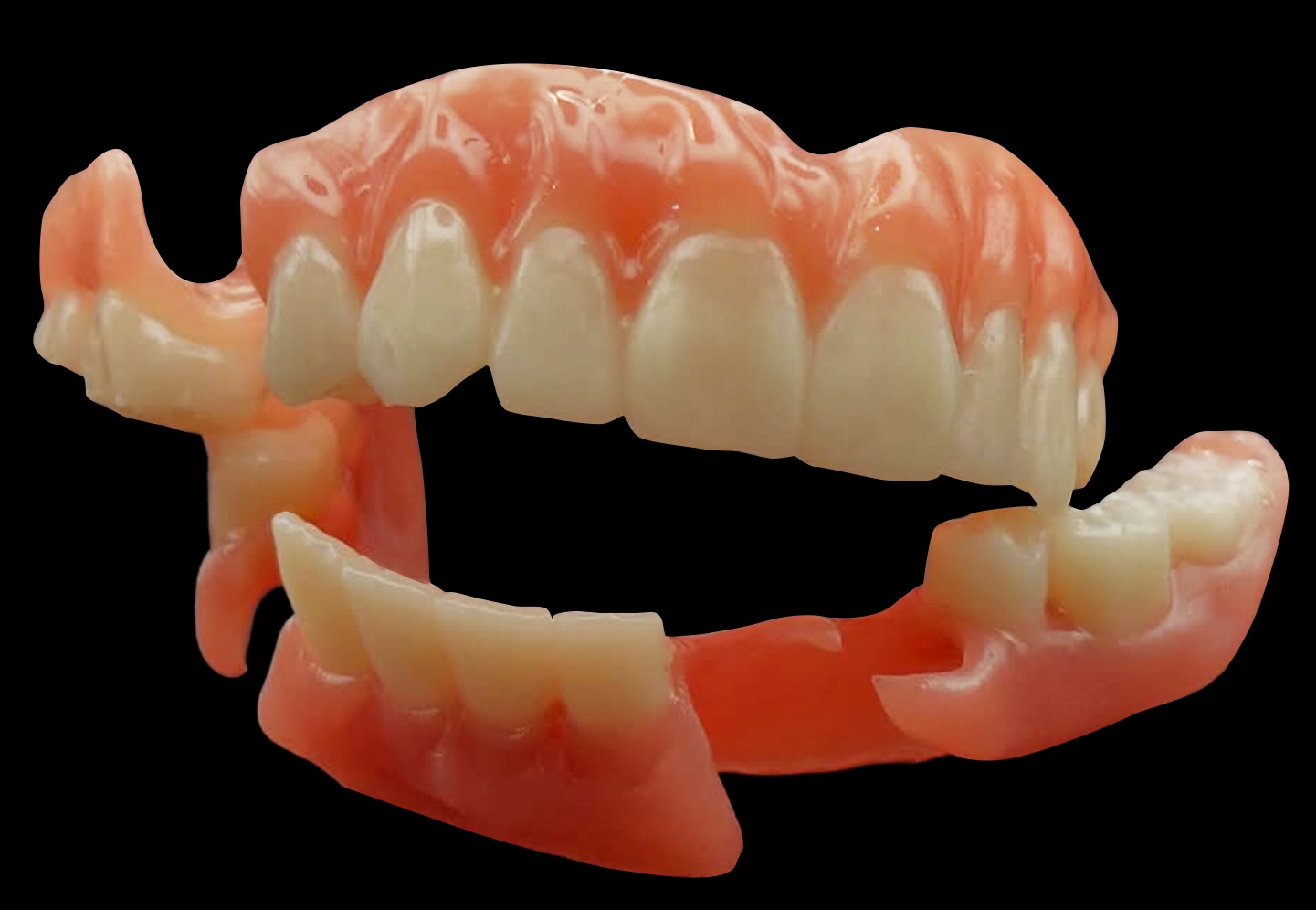
A 3D-printed full-arch prosthetic solution demonstrates anatomical detail and aesthetic characterisation.
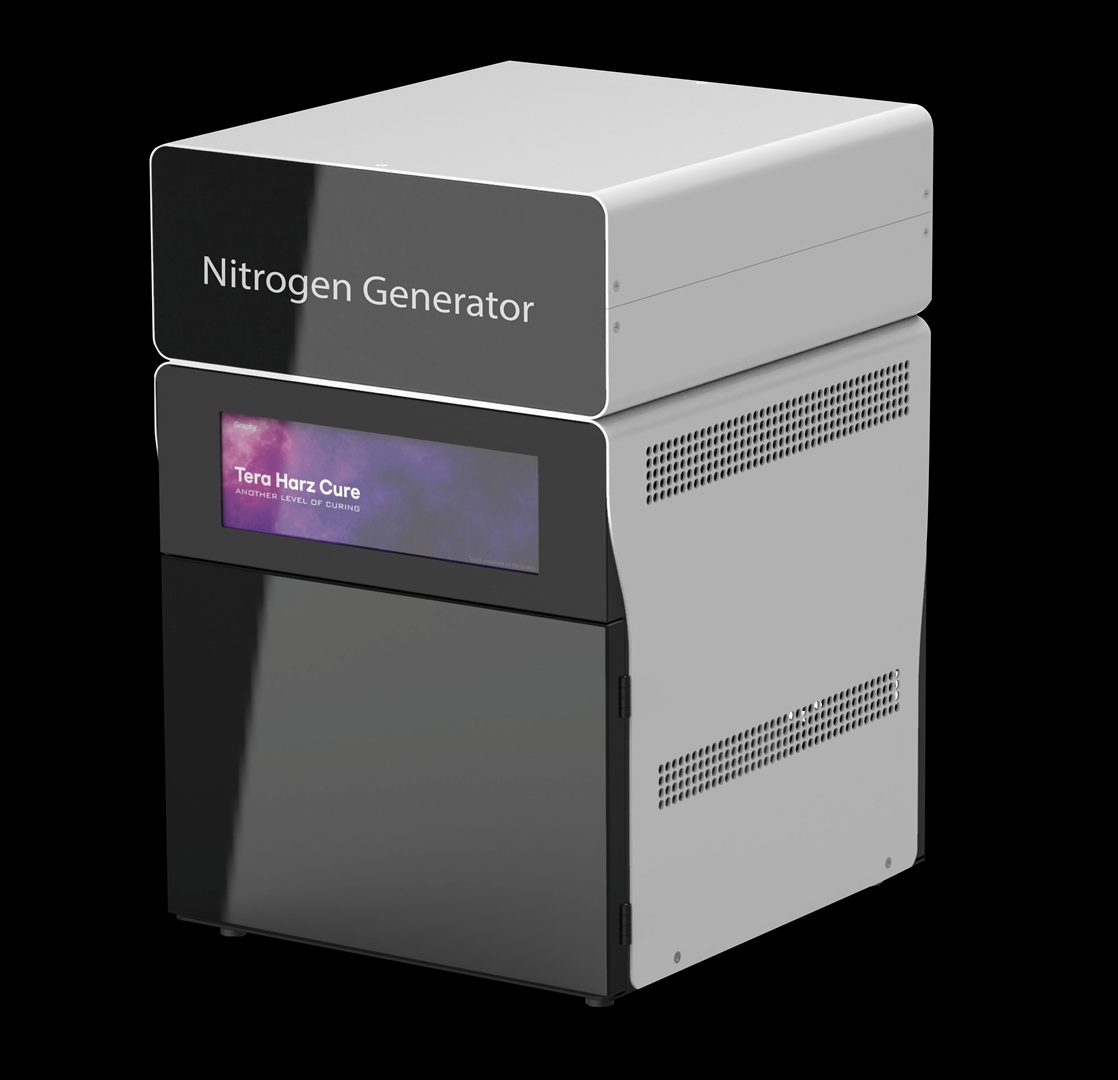
Graphy’s alcohol-free post-processing workflow uses Tera Harz Spinner to remove residual unpolymerised resin, eliminating conventional isopropyl alcohol cleaning, and Tera Harz Cure provides post-polymerisation under nitrogen, helping to prevent microporosity and reducing water absorption, discoloration and odour. According to the company, post-polymerisation under nitrogen supports a high degree of conversion, helping to minimise the release of residual material and maximise mechanical strength and long-term intra-oral stability.
From a materials perspective, Graphy’s 3D-printing resins offer a balance of durability, flexibility and strength. High elongation and wear resistance are intended to help restorations withstand repetitive loading, to reduce the risk of microcrack formation and deformation, and to maintain smooth surface integrity over time. Compared with traditional zirconia-based solutions, the lower density of these materials may also contribute to improved patient comfort, alongside a precise anatomical fit.
Tera Harz C & B resin is used for 3D printing of single-tooth to full-arch restorations within Graphy’s digital workflow.
Clinically, the materials are designed to replicate aspects of the biomechanical behaviour of natural dentition. According to Graphy, their elastic modulus supports shock absorption under occlusal load, helping to reduce stress concentration at the implant–bone interface and supporting stable functional outcomes. This biomimetic performance is intended for a wide range of applications, from ultra-thin veneers to long-span restorations, such as bridges and all-on-X prostheses, in which flexural stress distribution and fracture resistance are critical. The company also states that the materials’ wear characteristics closely resemble those of natural enamel, helping to protect opposing dentition. Unlike conventional rigid prostheses that often require full replacement after fracture, these 3D-printed restorations can be repaired chairside, reducing treatment time and operational burden.
Graphy’s materials are formulated without methyl methacrylate, bisphenol A or the photoinitiator TPO and support multilayer optical replication for natural-looking restorations. The company’s portfolio is supported by peer-reviewed research and regulatory clearances and certifications for selected products, including US Food and Drug Administration 510(k) clearance and CE marking for Tera Harz Clear. Graphy offers its digital dentistry portfolio within an open, hardware-compatible ecosystem.
Tera Harz Cure supports controlled post-polymerisation under nitrogen.
A notable innovation within Graphy’s denture workflow is the capability of chemically bonding printed denture teeth to denture bases using the denture base resin rather than a separate adhesive. The assembled components are then polymerised, simplifying fabrication and reducing the risk of debonding, a common limitation in conventional prosthetic manufacturing.
As digital dentistry continues to evolve, Graphy’s approach reflects a broader industry shift towards integrated, scalable and data-driven treatment systems. By aligning material performance, manufacturing consistency and clinical workflows, the company is positioning itself not only as a materials provider but also as a workflow partner in the next phase of digital innovation. More information on Graphy’s materials and global partnership opportunities is available on the company’s website.
3D printing has arrived in dentistry. Like with the other great paradigm shifts of the past 50 years in the profession (cosmetic dentistry, implants and ...
LOS ANGELES, U.S.: Technological advancements in dentistry are like a motor force that drives innovation and growth. This is true for digital dentistry. ...
For many of our readers, 3D printing has either become an essential part of their digital practice or might be a transition still in process. Regarding the ...
NEW YORK, U.S.: Technological advances in digital dentistry are rapidly changing the way the dental team practices in the operatory and laboratory. In an ...
BRISBANE, Australia: A team of biomedical researchers at the University of Queensland in Brisbane have undertaken a groundbreaking study that demonstrates ...
COLOGNE, Germany: Today, Dental Tribune International hosted the founding meeting of the International Academy for Dental 3D Printing (iad3Dp). The goal of ...
DRESDEN, Germany: A project by the Fraunhofer-Gesellschaft aims to harness the transformative potential of additive manufacturing in the medical field. The ...
3D printing has revolutionised modern dentistry, offering a cost-effective, versatile and efficient alternative to traditional fabrication methods. However,...
Patrick Thurm is the managing director and general manager for Europe at SprintRay, a young 3D printing company that opened its European branch office in ...
MUNICH, Germany: Additive manufacturing is rapidly gaining importance in removable prosthodontics. To inform clinicians, a recent review has provided an ...
LONDON, England: In the literature on 3D-printed orthodontic appliances, laboratory, ageing and safety findings are often discussed as though they carry the...
LONDON, England: Although tissue-level implants can achieve satisfactory aesthetic outcomes, their use in anterior restorations continues to be debated ...
ZIYANG, China: Healthcare authorities in China are placing greater emphasis on product quality in the long-awaited second round of volume-based procurement ...



 Brazil / Brasil
 Canada / Canada
 Latin America / Latinoamérica
 USA / USA
 Austria / Österreich
 Bosnia and Herzegovina / Босна и Херцеговина
 Bulgaria / България
 Croatia / Hrvatska
 Czech Republic & Slovakia / Česká republika & Slovensko
 France / France
 Germany / Deutschland
 Greece / ΕΛΛΑΔΑ
 Hungary / Hungary
 Italy / Italia
 Netherlands / Nederland
 Nordic / Nordic
 Poland / Polska
 Portugal / Portugal
 Romania & Moldova / România & Moldova
 Slovenia / Slovenija
 Serbia & Montenegro / Србија и Црна Гора
 Spain / España
 Switzerland / Schweiz
 Turkey / Türkiye
 UK & Ireland / UK & Ireland
 China / 中国
 India / भारत गणराज्य
 Pakistan / Pākistān
 Vietnam / Việt Nam
 ASEAN / ASEAN
 Israel / מְדִינַת יִשְׂרָאֵל
 Algeria, Morocco & Tunisia / الجزائر والمغرب وتونس
 Middle East / Middle East
 Prof. Aylin Baysan BDS MSc PhD MFDS RCSEd MEndo RCSEd FDTFEd FDS RCSEng PHEAWatch recording1CELive webinar
 Prof. Dr. Gustavo De-DeusLive webinar
 Dr. Dimple DesaiRegister now1CELive webinar
 Dr. Ahmed Elmoghazy
















To post a reply please login or register