Human health implications associated with aligners stem from the potential exposure to toxins and pollutants leached from these materials.12 Studies indicate that chemicals found in plastics can lead to adverse effects on human health, including increased risk of infertility and other serious health conditions.15 Therefore, understanding the consequences of plastics and especially aligner plastics is crucial, not only for preserving ecosystems but also for safeguarding human health from the hazards associated with plastic pollution.
The disposal and recycling options for aligners are important considerations in addressing the environmental impact of orthodontic treatment.15 Currently, aligners are predominantly classified as medical waste, limiting traditional recycling avenues owing to hygiene and safety concerns.
Microplastic release from aligners
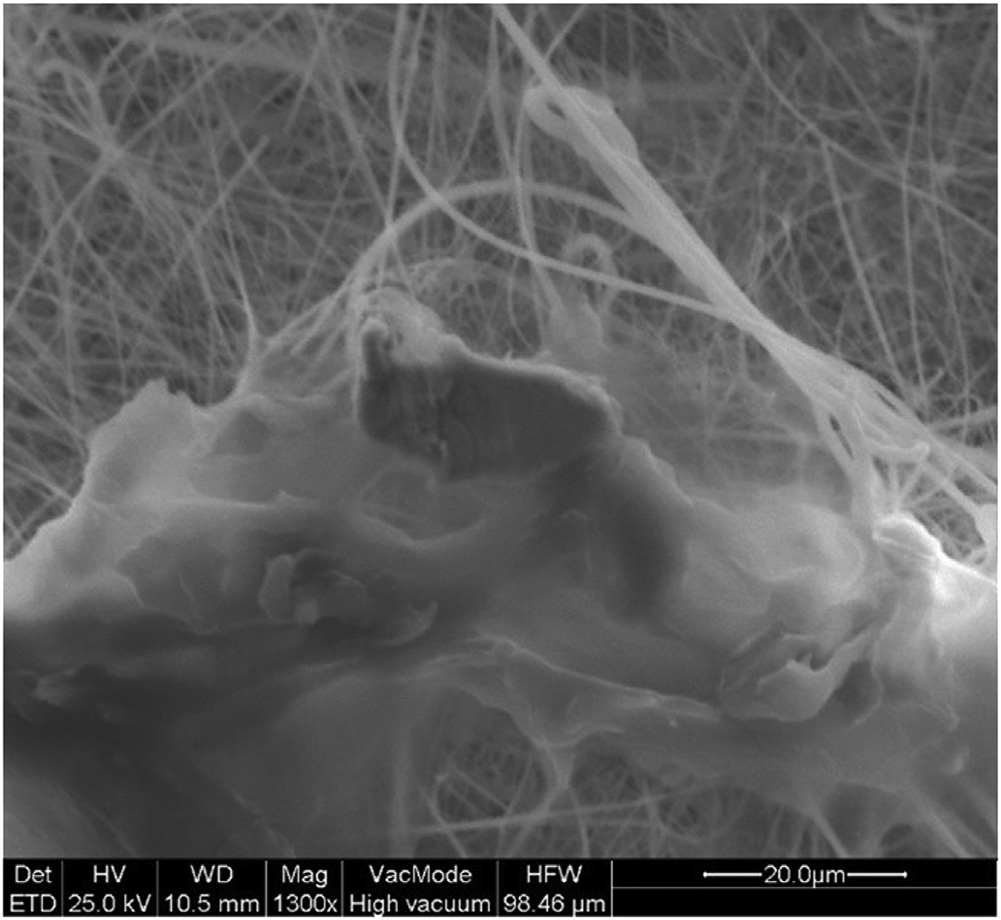
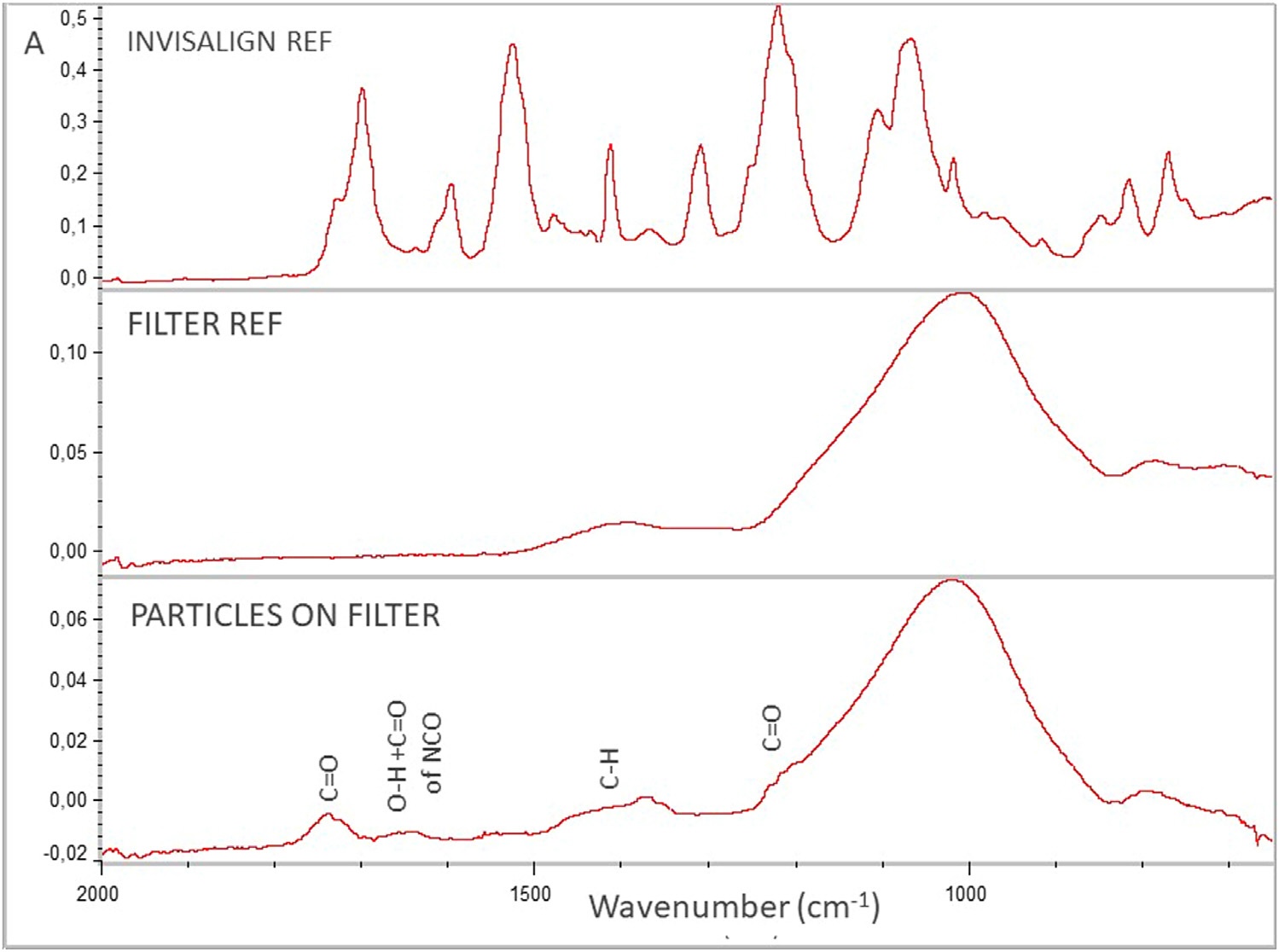
Microplastic release from aligners has emerged as a significant environmental and health concern, shedding light on the unintended consequences of orthodontic treatment. Aligners have been found to release microplastic particles during use owing to mechanical friction and wear, and this may have implications for human health and environmental pollution.16 The release of microplastics in this manner raises concerns about the potential ingestion of these microplastics and possible health risks. The analysis by Quinzi et al. revealed variations in the quantity of microplastics shed according to the polymeric composition of the aligner material, highlighting the need for closer scrutiny of aligner materials and manufacturing processes to minimise microplastic release.16 Moreover, the correlation between the size distribution of microplastics released from aligners and their potential impact on human health has been underscored in recent studies.16 Understanding the size range and abundance of released microplastics is crucial for assessing their environmental persistence, bioavailability and toxicological effects on ecosystems and human populations.
Although many of the concerns regarding plastic are known globally, companies supplying aligners generally do not give the proper attention to the direct impact of aligners on human health, focusing instead on the impact of plastics on the environment. For example, in a response14 to a letter,17 Align Technology explained ways to reduce the environmental burden of plastic. However, it did not address the direct impact of aligners in the mouth.14 Independent research by multiple centres should be undertaken to investigate this critical issue. The phenomenon of microplastic release from aligners underscores the importance of balancing orthodontic treatment efficiency with human health considerations as well as environmental ones.
Extent of microplastic contamination
Studies have demonstrated the extensive distribution of microplastics across various ecosystems, including marine, atmospheric and terrestrial environments, highlighting the multifaceted nature of microplastic contamination.18 In marine environments, high levels of microplastic contamination have been reported worldwide, and microplastics have been found in diverse marine habitats, such as coastal waters and deep sea sediments.18 In terrestrial environments, including soil and freshwater systems, studies have reported varying levels of microplastic contamination and a range of sources, among them direct inputs and secondary contamination through atmospheric deposition and surface run-off.18
Human health effects of ingested microplastics
Ingested microplastics have garnered attention for their potential impact on various aspects of human health, encompassing gastrointestinal health, respiratory function, cardiovascular health and neurological well-being. A growing body of research indicates that microplastic exposure may exert detrimental effects on different physiological systems, raising concerns about their broader health implications.19, 20
Studies have shown that chronic exposure to microplastics can induce dysbiosis, altering the composition and diversity of the gut microbiota.21, 22 Microplastics can trigger intestinal dysbiosis characterised by changes in the abundance of specific bacterial phyla, such as an enrichment of Bacillota (Firmicutes), Pseudomonadota (Proteobacteria) and Chlamydiota (Chlamydiae) and a reduction in Bacteroidota (Bacteroidetes).22 These disruptions in the gut microbiota composition can have far-reaching consequences on host health, potentially leading to the onset of chronic disease and promoting pathogenic infections.21 Moreover, the interaction between microplastics and the gut microbiota can compromise gut homeostasis.23 This disruption can increase intestinal permeability and stimulate inflammatory responses, leading to elevated levels of immune-related molecules associated with inflammation.22
For the respiratory system, inhalation of airborne microplastics has emerged as a critical concern, having implications for respiratory health, including potential lung toxicity.24 Deposition of microplastics in the lungs can trigger inflammatory responses, respiratory complications and respiratory-related diseases, underscoring the need to assess the respiratory effects of microplastic exposure comprehensively.
Moreover, an association between ingested microplastics and coronary heart disease has been highlighted in recent studies, suggesting a potential link between microplastics in arterial plaque and cardiovascular risk factors.25, 26 In one of these studies, patients undergoing carotid endarterectomy for asymptomatic carotid artery disease were assigned to two groups according to the presence of microplastics and nanoplastics in their plaque.26 The study found that many patients had detectable levels of polyethylene in their excised carotid plaque, along with measurable amounts of PVC. Patients with evidence of microplastics and nanoplastics in the carotid plaque had a significantly higher risk of experiencing a composite of myocardial infarction, stroke or death from any cause compared with those whose plaque showed no detectable microplastics and nanoplastics. This study provides compelling evidence of a potential association between the presence of microplastics and nanoplastics in plaque and an increased risk of cardiovascular events.
It must be added that this study included older patients with no direct exposure to plastics in aligners. It can be assumed that direct exposure to plastics in the harsh oral cavity for months or even years can have an even more catastrophic effect on health. In light of early orthodontic treatment using aligners, very early plastic accumulation in the body could result in disease, which could start earlier and be associated with more severe symptoms.26
Furthermore, the impact of microplastics on brain health and neurological function is an emerging area of investigation, and studies are exploring the potential neurotoxic effects of microplastic exposure.20 The ability of microplastics and nanoplastics to cross the blood–brain barrier and accumulate in neural tissue raises concerns about associated neuro-inflammation, neurodegenerative disease and cognitive impairment. Based on the issues raised regarding microplastics, it is obvious that direct exposure to plastics in the oral cavity may increase the possibility of adverse effects on human health.
Mechanisms of uptake into the body
The mechanisms underlying the uptake of microplastics and nanoplastics into the human body have attracted significant scientific interest owing to their potential health implications, and understanding these mechanisms is crucial for comprehending the pathways through which plastics enter and interact with human cells, tissue and organ systems.27, 28 Inhalation, ingestion and skin contact are the three primary routes through which microplastics and nanoplastics can enter the human body.28 Inhalation of airborne microplastics can lead to their deposition in the respiratory tract, where they may be engulfed by lung cells or translocate to other organs through systemic circulation. Similarly, ingestion of microplastics through contaminated food and water sources or aligner wear can result in their uptake by the gastrointestinal tract, allowing for systemic distribution throughout the body. Once inside the body, plastics can interact with a wide range of biomolecules, including proteins, lipids and nucleic acids—as well as biologically relevant ions—forming coronated nanoplastic particles that may facilitate their absorption and distribution.28 Cellular uptake of nanoplastics involves endocytosis mechanisms, including processes such as phagocytosis, pinocytosis and macropinocytosis.28 The characteristics of nanoplastics, such as size, surface charge and composition, play a crucial role in determining their cellular uptake efficiency and intracellular fate. Within cells, nanoplastics can induce apoptosis, cytotoxic effects and cellular damage, emphasising the importance of understanding how particle properties influence their biological effects.
Understanding the comprehensive health risks of plastics and microplastics
Further research on plastics, particularly aligner plastics, and a comprehensive understanding of the associated health risks are paramount in safeguarding human well-being and the environment. While existing studies have shed light on some aspects of plastic exposure, there remain significant gaps in knowledge that require urgent attention and investigation.11, 29 Specifically, the issue of aligner plastics has not been examined yet, although these create a high hazard to the human being, both in the exposure time and the direct contact with the beginning of the gastrointestinal tract. Research focusing on aligner plastics is essential to assess the specific contribution of these materials to overall plastic pollution and potential health risks.29 Understanding the composition of aligner materials, degradation behaviour of aligner materials and release of microplastics from aligners during use is critical for evaluating the impact of aligners on human health and the environment comprehensively. Comprehensive health risk assessments should consider the entire life cycle of aligners, from production to disposal, to identify potential points of exposure and associated hazards.30 Examining factors such as manufacturing processes, material properties and end-of-life scenarios can provide insights into the complete spectrum of health risks posed by aligner plastics.
Furthermore, the interdisciplinary nature of plastic health research necessitates collaboration between experts in materials science, toxicology, epidemiology and environmental health to address the multifaceted challenges posed by plastics.31 Integrated approaches that merge knowledge from various disciplines are crucial for developing holistic risk assessments and informing evidence-based policies. In addition to studying the physical and chemical properties of plastics, research must investigate the biological effects of plastic exposure on human health, including inflammation, oxidative stress and metabolic disorders.29, 32
The release of microplastics from aligners during wear raises questions about the safety and long-term implications of orthodontic treatments utilising such materials. To mitigate these risks, it is essential to conduct in-depth investigations into the leaching properties, environmental impact and health outcomes associated with microplastic exposure from orthodontic appliances, including aligners.33, 34
Ultimately, a multidisciplinary approach involving scientific research, regulatory oversight and patient education is crucial to address the complex health risks posed by ingested microplastics from aligners comprehensively. By advancing knowledge, promoting responsible practices and prioritising patient safety, the orthodontic community can work towards mitigating the potential health impacts associated with microplastic exposure through orthodontic treatments involving aligners. Overall, advancing research on plastics and their comprehensive health risks requires a concerted effort to fill knowledge gaps, prioritise data-driven decision-making and promote transparency in scientific investigations.35
Conclusion
A decisive call to action is imperative for orthodontic professionals and patients to address the issue of microplastic release from aligners and consider transitioning to alternative treatment modalities. The emerging evidence highlighting the potential detachment of microplastics from aligners underscores the urgency for proactive measures to mitigate human health risks and environmental concerns.



 Brazil / Brasil
 Canada / Canada
 Latin America / Latinoamérica
 USA / USA
 Austria / Österreich
 Bosnia and Herzegovina / Босна и Херцеговина
 Bulgaria / България
 Croatia / Hrvatska
 Czech Republic & Slovakia / Česká republika & Slovensko
 France / France
 Germany / Deutschland
 Greece / ΕΛΛΑΔΑ
 Hungary / Hungary
 Italy / Italia
 Netherlands / Nederland
 Nordic / Nordic
 Poland / Polska
 Portugal / Portugal
 Romania & Moldova / România & Moldova
 Slovenia / Slovenija
 Serbia & Montenegro / Србија и Црна Гора
 Spain / España
 Switzerland / Schweiz
 Turkey / Türkiye
 UK & Ireland / UK & Ireland
 China / 中国
 India / भारत गणराज्य
 Pakistan / Pākistān
 Vietnam / Việt Nam
 ASEAN / ASEAN
 Israel / מְדִינַת יִשְׂרָאֵל
 Algeria, Morocco & Tunisia / الجزائر والمغرب وتونس
 Middle East / Middle East

 Dr. Sinan GhishanRegister now1CELive webinar
 Dr. Sonia PresenciaLive webinar
 Dr. John Tsourounakis DDS, Cert. Perio, MS, FRCD(C)Register now1CELive webinar

 Dr. Varkha Rattu, Cat EdneyRegister now1CE










To post a reply please login or register