The pace of adoption differs considerably between markets. Our management and development teams spend time with clinicians and local partners to understand which changes are reaching everyday practice and where further work is needed.
How does Adin’s international education programme support clinicians at different stages of their careers?
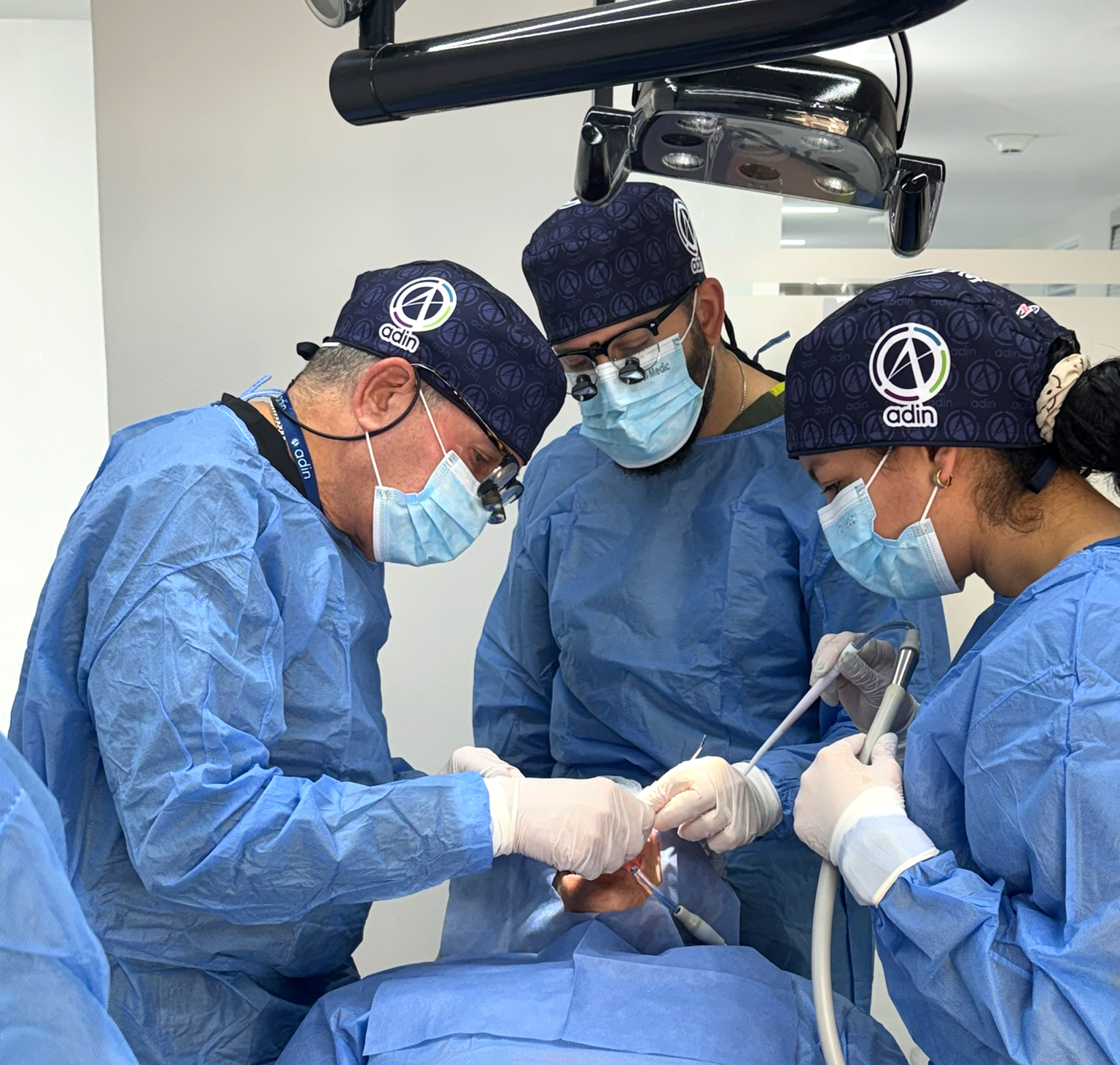
We organise more than 900 educational events a year and have training centres in countries such as Colombia, India and Israel. The programme ranges from foundational courses to advanced full-arch training and includes webinars, cadaver courses, other practical workshops and clinical training.
We develop our programmes with local clinical leaders and partners. The subjects clinicians want to study, their experience and the techniques already established in practice differ between countries. Our local teams help determine the programme and remain in contact with participants afterwards.
What distinguishes Adin in the highly competitive dental implant market?
For me, the answer is trust: in our products, in our service and in our company being there for the long term. Direct access to the people running the business is part of that.
I still visit clinicians in their practices when I travel. Our senior team does the same. I want to hear directly what is working, what is difficult and what clinicians need from us. By the time a clinician’s feedback reaches me through several people, a great deal of what the clinician actually said can be lost.
Being privately owned gives us room to make decisions with those relationships in mind. Many of our managers, engineers and local partners have worked with us for decades. They know one another and know the markets. That continuity has helped us grow while keeping the company accessible to the people using our systems.
Price is also part of the discussion. We have built the business around affordable quality.
As Adin expands internationally, which markets are you prioritising, and what guides your approach to establishing a local presence?
We concentrated for many years on major emerging markets, including India and China, alongside an established presence in European countries such as Italy and Greece. The businesses we built there gave us the financial strength and experience to expand further across Europe and grow our business in the US.
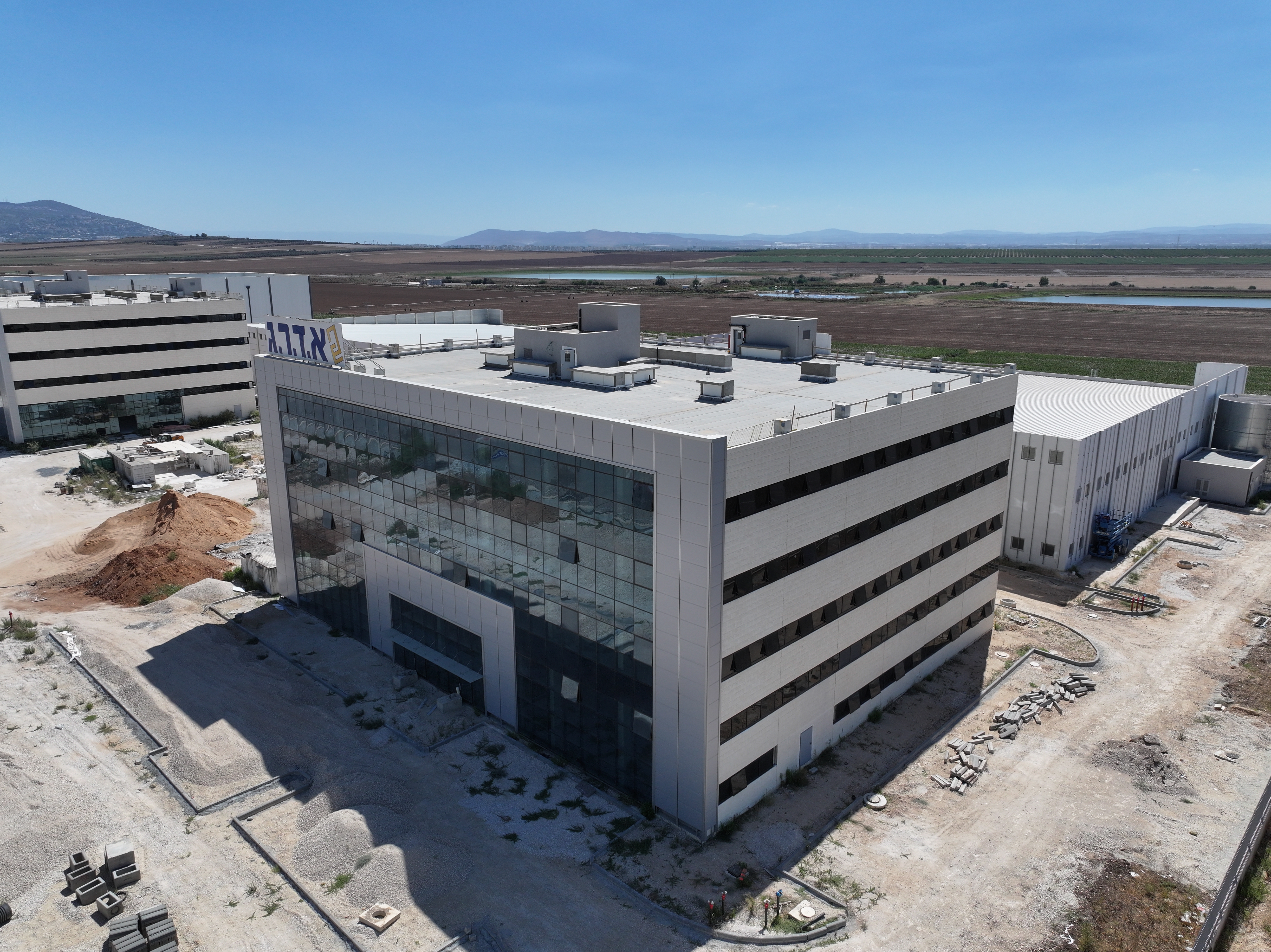
Europe and the US are now our main expansion priorities. To support this expansion, we are building a new facility that will house our headquarters and substantially increase our manufacturing capacity. In Europe, we are an authorised supplier to Colosseum Dental Group, one of Europe’s largest dental support organisations, and have recently launched a collaboration with Septodont, which is now our exclusive distributor in France.
Our experience has also made us careful about transferring a business model from one country to another. Argentina and Colombia, for example, have required quite different approaches. We work with local teams to decide how best to develop our business in each market.
How are Adin and Septodont working together in France, and what does the agreement mean for clinicians there?
For clinicians in France, the most practical change is local support. Septodont is creating a dedicated implant business unit to provide specialised commercial and clinical support to dental professionals nationwide. French clinicians will have a team they can reach directly, as well as access to local stock and delivery services.
We also contribute technical expertise and educational programmes, and Septodont brings its local organisation and its long-standing relationships with French dental professionals. Training will be one of our first priorities together. For us, Septodont’s decision to work with Adin is a vote of confidence in the company.
What role do local partnerships play in Adin’s international strategy, and how do you measure its long-term success?
Many of our partners have been with us for more than 15 years. They have committed their own resources to building Adin in their countries, and that commitment has to work both ways.
At the beginning of the pandemic, we told partners to keep cash in their businesses, pay their teams and resume payments to us as they recovered. We gave them that flexibility because we wanted those businesses to survive. We had spent years building them together.
We operate through distributors in some markets and our own subsidiaries in others. In both cases, building a local business takes sustained investment. The team needs to know that we will stay committed while they develop it.
Our long-term target is a market share of at least 10% by volume in each market where we operate. We are above that level in some countries.



 Brazil / Brasil
 Canada / Canada
 Latin America / Latinoamérica
 USA / USA
 Austria / Österreich
 Bosnia and Herzegovina / Босна и Херцеговина
 Bulgaria / България
 Croatia / Hrvatska
 Czech Republic & Slovakia / Česká republika & Slovensko
 France / France
 Germany / Deutschland
 Greece / ΕΛΛΑΔΑ
 Hungary / Hungary
 Italy / Italia
 Netherlands / Nederland
 Nordic / Nordic
 Poland / Polska
 Portugal / Portugal
 Romania & Moldova / România & Moldova
 Slovenia / Slovenija
 Serbia & Montenegro / Србија и Црна Гора
 Spain / España
 Switzerland / Schweiz
 Turkey / Türkiye
 UK & Ireland / UK & Ireland
 China / 中国
 India / भारत गणराज्य
 Pakistan / Pākistān
 Vietnam / Việt Nam
 ASEAN / ASEAN
 Israel / מְדִינַת יִשְׂרָאֵל
 Algeria, Morocco & Tunisia / الجزائر والمغرب وتونس
 Middle East / Middle East

 Drs. Maarten de Beer, Drs. Erik-Jan MutsLive webinar

 Dr. Stefan ScholzLive webinar
 Dr. Daniela GaribLive webinar
 Dr. Manuel Toledano-OsorioRegister now1CE









To post a reply please login or register