Speakers at the sixth GC International Dental Symposium in October in Japan will explore the growing emphasis on form, surface texture, layering and light management in modern restorative dentistry. (Image: Tatiana/Adobe Stock)
TOKYO, Japan: Predictable, aesthetic and minimally invasive restorative dentistry will be a prominent theme at the sixth GC International Dental Symposium, to be held on 3 and 4 October at the Tokyo International Forum. A number of presentations on aesthetic and restorative excellence will show how material selection, anatomical understanding and evidence-based restorative techniques can contribute to lifelike, functional and durable outcomes.
Selected sessions will focus on aesthetic integration, direct composite techniques, restorative material selection and minimally invasive treatment approaches. Together, they will offer clinicians and dental teams a clinically grounded view of current developments in restorative dentistry, showing how minimally invasive treatment planning, risk-based material selection and the precise emulation of natural tooth anatomy contribute to predictable clinical outcomes.
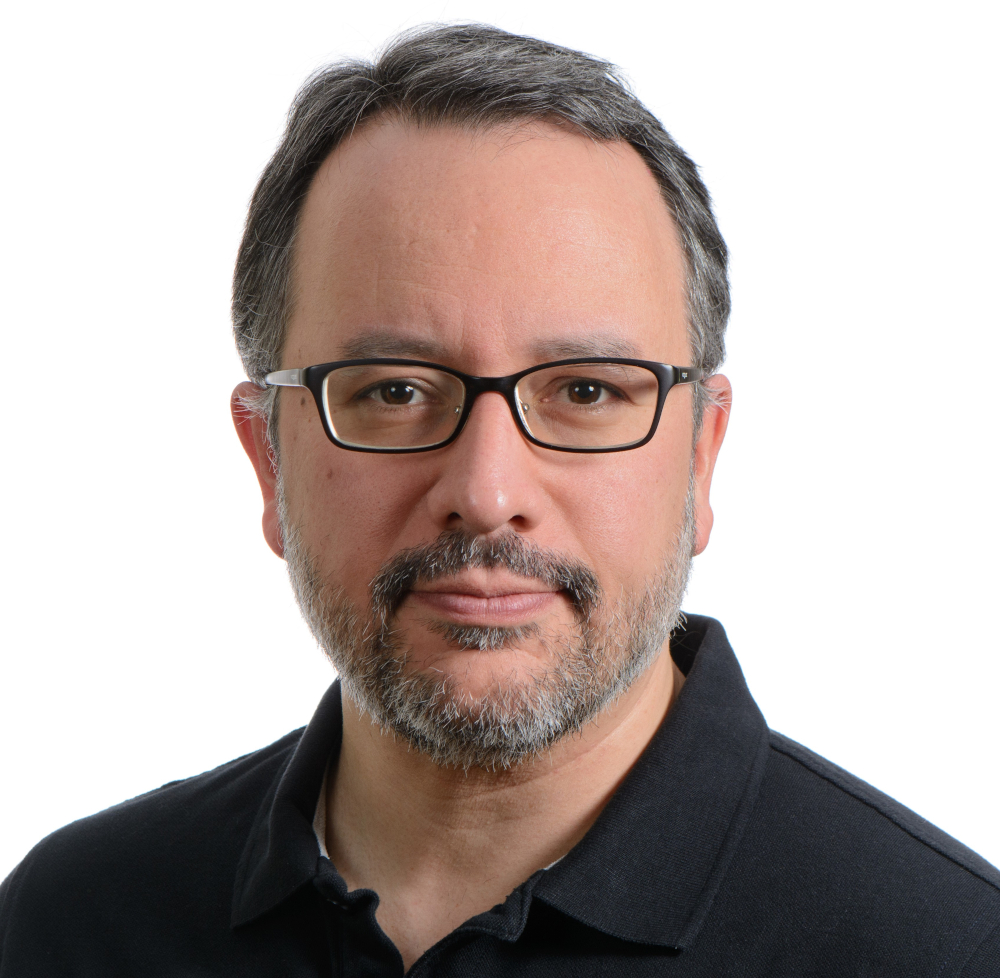
Among the featured speakers will be Dr Javier Tapia Guadix, an internationally recognised restorative and aesthetic dentist and co-founder of the Bio-Emulation Group, which focuses on biomimetic dentistry. In the session “Mastering direct composite—from aesthetics to function”, he will give a presentation on biomimetics in anterior composite restorations. His lecture will examine how anterior composite restorations can be shaped, layered and finished to reproduce natural tooth form, harmonious proportions and lifelike optical effects.
Dr Javier Tapia Guadix is an internationally recognised restorative and aesthetic dentist and co-founder of the Bio-Emulation Group. (Image: Dr Javier Tapia Guadix)
Dr Tapia told Dental Tribune International: “Without any doubt, morphology is probably the most overlooked factor in restorative dentistry. What truly determines whether a restoration looks natural is the way light interacts with its surface and internal structure.” He explained that restorations that accurately reproduce natural tooth anatomy are more readily perceived as lifelike and integrated into the surrounding dentition. This requires close attention to anatomical features such as line angles, facial planes, and vertical and horizontal surface texture. These micro- and macro-anatomical details, he said, are essential for achieving natural-looking optical integration.
His emphasis on morphology reinforces a central point in aesthetic composite work: natural-looking restorations depend not only on shade selection but also on form, surface texture, layering and the management of light. In anterior composite restorations in particular, predictability depends on the clinician’s ability to analyse the natural tooth and translate that information into a structured approach to restoration, Dr Tapia explained.
Dr Tapia said that the Bio-Emulation approach is based on structural analysis and visual synthesis. Structural analysis requires a detailed understanding of dental morphology and function, including both external and internal anatomy. He noted that dentine architecture directly influences optical behaviour and therefore forms part of aesthetic planning.
“Without any doubt, morphology is probably the most overlooked factor in restorative dentistry.”
Dr Javier Tapia Guadix, co-founder, Bio-Emulation Group
Visual synthesis involves the evaluation of shade dynamics and light interaction under several forms of illumination, including reflected, transmitted, cross-polarised and ultraviolet light. In Bio-Emulation, this approach is referred to as dynamic light observation and supports more precise assessment of shade, translucency and opacity. “By integrating these principles during the layering and morphological development of anterior composite restorations, we are able to achieve highly predictable and naturally biomimetic outcomes,” Dr Tapia said.
The aesthetic and restorative focus will continue in “Chasing the perfect match: The art and science of composite shade matching for life-like restorations”, presented by Drs Bora Korkut, Céline Higton and Yukihiro Kosaka. The session will examine shade matching in anterior composite restorations, incisal third recreation in Class IV restorations and biomimetic techniques for posterior restoration.
From glass ionomers to glass hybrids
Further perspective on restorative excellence will be offered in the session “From glass ionomers to glass hybrids: 50 years of innovation”, presented by Profs. Yasushi Shimada, Falk Schwendicke and Ivana Miletić. The session will place restorative materials within the broader context of material development and examine how advances in these materials influence clinical decision-making.
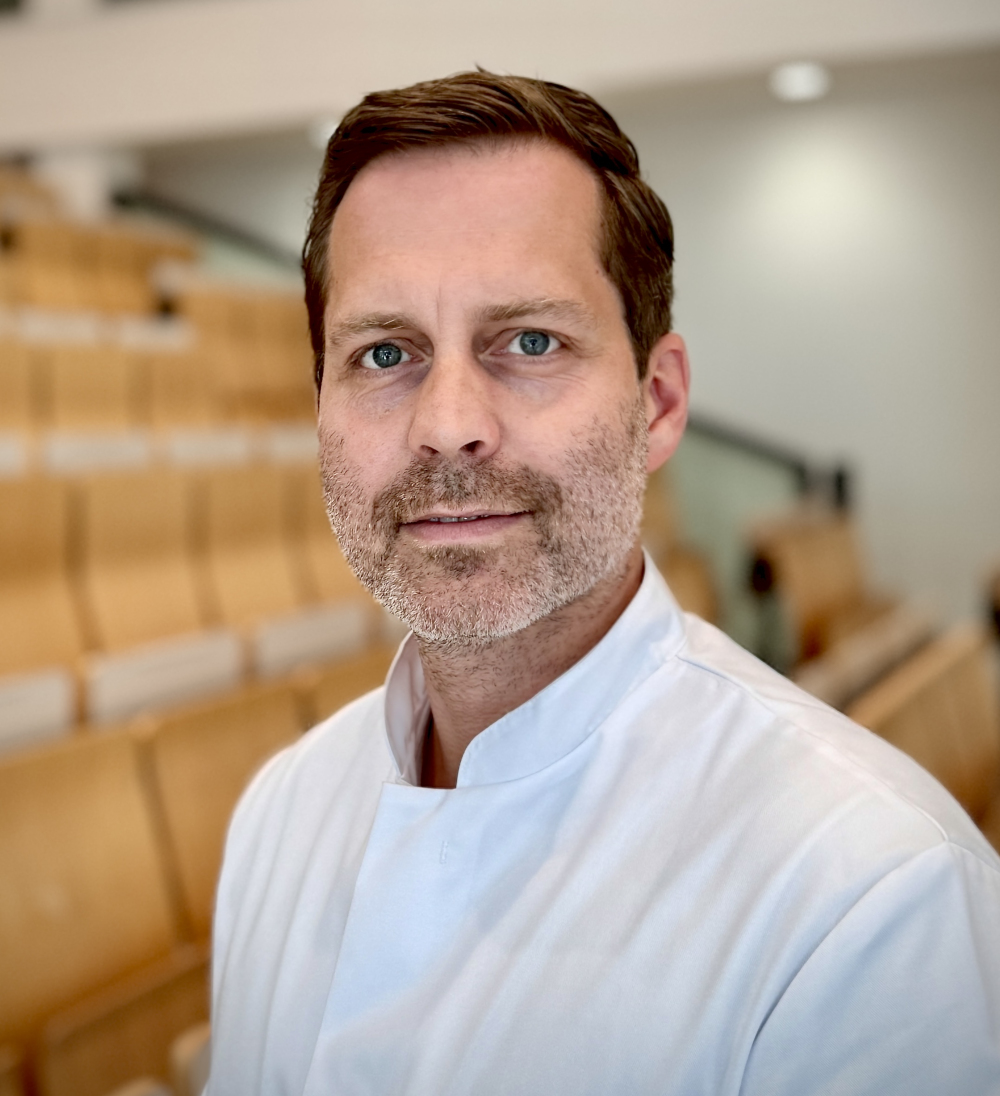
Prof. Schwendicke, director of LMU’s Department of Conservative Dentistry, Periodontology and Digital Dentistry in Munich in Germany, told Dental Tribune International that the post-amalgam era requires clinicians to move beyond a mechanical model of restorative care. He said: “The most important shift is the transition towards a minimally invasive, biology-driven treatment philosophy.” He explained that modern restorative dentistry increasingly requires clinicians to view caries as a dynamic disease process. This means placing greater emphasis on prevention, early detection and lesion control before operative intervention.
Prof. Falk Schwendicke is director of LMU’s Department of Conservative Dentistry, Periodontology and Digital Dentistry in Munich in Germany. (Image: Prof. Falk Schwendicke)
Prof. Schwendicke said that the main priority when restoration is necessary is the maximum preservation of sound tooth structure, alongside a number of further considerations. He explained: “Clinicians must also consider cost-effectiveness and practicality, particularly in settings where ideal conditions are not always achievable. Furthermore, given the growing emphasis on biocompatibility and patient-centred care, patients increasingly expect metal-free restorations, and clinicians must balance aesthetics, function, longevity and biological impact.”
The development of glass hybrid materials has added another option to this clinical decision-making process. According to Prof. Schwendicke, glass hybrids combine improved mechanical properties with the advantages associated with glass ionomers, including fluoride release, chemical adhesion and relative moisture tolerance. This makes them especially useful in situations in which ideal adhesive conditions are difficult to achieve, such as cases involving high caries risk or suboptimal isolation.
“In this sense, they support a more pragmatic, context-sensitive approach to care,” he continued. Rather than defaulting to one restorative option, clinicians can select materials according to caries activity, lesion location, patient compliance and access to care. Prof. Schwendicke added that glass hybrids support minimally invasive dentistry because “they allow for simplified cavity designs, reduced preparation and, in some cases, even atraumatic restorative approaches”.
One Week of Excellence
Organised by GC Corp., the sixth GC International Dental Symposium is inviting dental professionals from around the world to Tokyo to participate in its broader One Week of Excellence line-up. In addition to the two-day scientific programme featuring 72 lectures and offering up to 54 continuing education credits, the symposium will be accompanied by hands-on courses, social events and organised cultural activities, including tours of Tokyo and the mountain town of Nikkō.
The symposium will offer simultaneous interpretation into Japanese and English, and participants will be able to earn continuing education credits. Further information about the programme and registration is available on the event website.
TOKYO, Japan: Set for 3 and 4 October in Tokyo, the sixth GC International Dental Symposium will bring together general practitioners, specialists, dental ...
As pathological tooth wear becomes a more frequent concern in clinical practice, direct composite restorations are increasingly relevant as a minimally ...
On 3 and 4 October, dental professionals from around the world will gather in Tokyo in Japan for the sixth GC International Dental Symposium. Organised as ...
TOKYO, Japan: In restorative dentistry, clinicians expect dental materials to support efficient procedures, easy shade matching and optimal clinical ...
For generations, dental technicians have been the quiet architects behind every confident smile. Working behind the scenes in laboratories, technicians ...
Education
Live webinar Thu. 5 November 2026 1:00 pm EST (New York)



 Brazil / Brasil
 Canada / Canada
 Latin America / Latinoamérica
 USA / USA
 Austria / Österreich
 Bosnia and Herzegovina / Босна и Херцеговина
 Bulgaria / България
 Croatia / Hrvatska
 Czech Republic & Slovakia / Česká republika & Slovensko
 France / France
 Germany / Deutschland
 Greece / ΕΛΛΑΔΑ
 Hungary / Hungary
 Italy / Italia
 Netherlands / Nederland
 Nordic / Nordic
 Poland / Polska
 Portugal / Portugal
 Romania & Moldova / România & Moldova
 Slovenia / Slovenija
 Serbia & Montenegro / Србија и Црна Гора
 Spain / España
 Switzerland / Schweiz
 Turkey / Türkiye
 UK & Ireland / UK & Ireland
 China / 中国
 India / भारत गणराज्य
 Pakistan / Pākistān
 Vietnam / Việt Nam
 ASEAN / ASEAN
 Israel / מְדִינַת יִשְׂרָאֵל
 Algeria, Morocco & Tunisia / الجزائر والمغرب وتونس
 Middle East / Middle East

 Dr. Dimple DesaiRegister now1CELive webinar
 Dr. Ahmed ElmoghazyLive webinar
 Dr. Gil Asafrana D.M.D, B.M.ScRegister now1CELive webinar
 Dr. Adrian Gnatek PhD | Oral SurgeonRegister now1CE















To post a reply please login or register