In an upcoming webinar, two experts will present contemporary direct composite approaches for restoring worn teeth, focusing on diagnosis, treatment planning and predictable clinical techniques. (Image: Thitinon/Adobe Stock)
As pathological tooth wear becomes a more frequent concern in clinical practice, direct composite restorations are increasingly relevant as a minimally invasive option for rebuilding worn teeth. A webinar hosted on GC Dental Campus on 8 June will focus on three approaches to direct composite restorations in these cases: freehand modelling, the injection moulding technique and the stamp technique. In this interview, one of the presenters, Prof. Marleen Peumans of the Department of Oral Health Sciences at KU Leuven in Belgium, explains why diagnosis, prevention and monitoring are essential before restorative treatment is undertaken and how clinicians can improve predictability in direct composite rehabilitation.
Prof. Peumans, pathological tooth wear appears to be becoming more common in clinical practice. What factors are contributing to this increase?
Contemporary lifestyles certainly contribute to an increase in the prevalence of tooth wear. Tooth wear is linked to a range of often overlapping lifestyle, dietary, behavioural and medical factors, including stress, intensive sports activity, unbalanced diets, erosive drinks and foods, poor sleep, mental attitude, addictions and drug abuse, and certain medical conditions. In all these situations, hyposalivation acts as a potentiator.
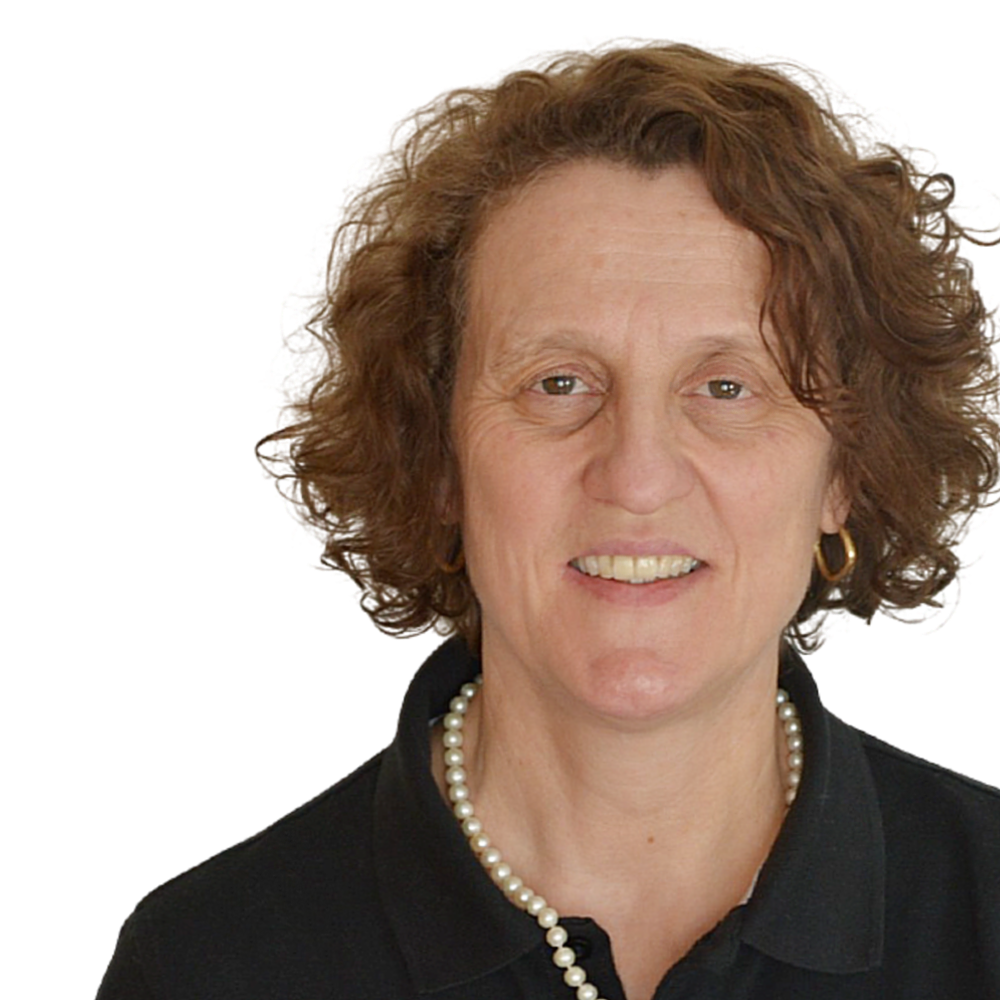
Prof. Marleen Peumans of KU Leuven has extensive clinical and research expertise in resin composites, bonded ceramic restorations, dentine adhesives and tooth bleaching. (Image: Prof. Marleen Peumans)
What are the most important steps in diagnosing and managing tooth wear, and where can the process break down? First of all, tooth wear must be diagnosed at an early stage. Dentists should be able to recognise the first signs of tooth wear and identify the aetiological factors in order to take the correct preventive measures to stabilise the tooth wear. They should then see the patient once a year to monitor the wear and evaluate the effectiveness of the preventive measures. In my opinion, the main mistake dentists make is recognising the problem only once the wear is so pronounced that restorative treatment is indicated. At that point, treatment is more complex, and full-mouth rehabilitation may be difficult without a clear protocol for restoring the worn dentition using, for instance, direct composite restorations.
For the direct composite approaches you will discuss, in which clinical situations is each approach most appropriate? The technique used is determined mainly by the preference and experience of the operator. The injection moulding technique can be used to build up all the teeth, and a highly filled flowable composite is used for this technique. The stamp technique, which uses a composite stamp in combination with a conventional composite, is used to build up premolars and molars, while the partial stamp technique can be used to build up the anterior teeth. Freehand modelling with a conventional composite can be used in cases of limited to moderate tooth wear; however, the dentist must be experienced in building up worn teeth to the correct morphology and function.
What is the webinar’s main message on improving predictability in tooth wear cases treated with direct composite restorations? Dentists need to analyse the case in detail. The most important steps when treating patients with tooth wear are correct diagnosis, identification of the aetiology, implementation of preventive measures and ongoing monitoring. This is the essential starting point of treatment. When restorative treatment is indicated, dentists need to understand the clinical protocol for rehabilitation of generalised tooth wear, starting with correct bite registration, diagnostic wax-up and mock-up and continuing with building up the worn teeth using direct composite restorations. Good communication with the dental technician is very important here.
Editorial note:
The webinar, titled “Contemporary direct composite approaches for the restoration of tooth wear”, will take place on 8 June at 7 p.m. CEST. The webinar will be conducted in English, and subtitles will be available in French, German, Italian and Spanish. Australian dentist Dr Anthony Mak will co-present the webinar. Dental professionals can register free of charge at gcdentalcampus.com. Participants can earn one continuing education credit after successfully answering a post-webinar quiz.
LEUVEN, Belgium: GC Europe, a leading oral health company supplying dental products and services to dental professionals, is emphasising the importance of ...
RHODES, Greece: Researchers have recently presented the results of a five-year multicentre clinical study involving the EQUIA Forte glass-hybrid restorative...
TOKYO, Japan: Set for 3 and 4 October in Tokyo, the sixth GC International Dental Symposium will bring together general practitioners, specialists, dental ...
TOKYO, Japan: Innovation in dentistry is often discussed in terms of new products; however, its clinical significance lies in how materials and technologies...
TOKYO, Japan: Predictable, aesthetic and minimally invasive restorative dentistry will be a prominent theme at the sixth GC International Dental Symposium, ...
TOKYO, Japan: On 11 February, GC Corp. celebrated its 100th anniversary. As part of the continued celebrations surrounding this milestone, the company is ...
Biomimetic dentistry focuses on preserving tooth structure by reproducing the natural form and function of dental tissue. Few clinicians have shaped this ...
MADRID, Spain: The International Society for Minimum Intervention Dentistry (MIS) has recently announced that it will be holding its first international ...
Alsip, Ill., U.S.: GC America will be hosting a one-day virtual symposium on Oct. 29 as part of the many events accompanying GC’s centennial celebrations....
LUCERNE, Switzerland: On 11 February, GC is celebrating its 100th anniversary since it was founded in Japan in 1921. To commemorate this significant ...
Education
Live webinar Thu. 5 November 2026 1:00 pm EST (New York)
TOKYO, Japan: Innovation in dentistry must also support prevention, public health and professional leadership. At the sixth GC International Dental ...



 Brazil / Brasil
 Canada / Canada
 Latin America / Latinoamérica
 USA / USA
 Austria / Österreich
 Bosnia and Herzegovina / Босна и Херцеговина
 Bulgaria / България
 Croatia / Hrvatska
 Czech Republic & Slovakia / Česká republika & Slovensko
 France / France
 Germany / Deutschland
 Greece / ΕΛΛΑΔΑ
 Hungary / Hungary
 Italy / Italia
 Netherlands / Nederland
 Nordic / Nordic
 Poland / Polska
 Portugal / Portugal
 Romania & Moldova / România & Moldova
 Slovenia / Slovenija
 Serbia & Montenegro / Србија и Црна Гора
 Spain / España
 Switzerland / Schweiz
 Turkey / Türkiye
 UK & Ireland / UK & Ireland
 China / 中国
 India / भारत गणराज्य
 Pakistan / Pākistān
 Vietnam / Việt Nam
 ASEAN / ASEAN
 Israel / מְדִינַת יִשְׂרָאֵל
 Algeria, Morocco & Tunisia / الجزائر والمغرب وتونس
 Middle East / Middle East


 Dr. Pierre Marin, Dr. Antoine PopelutWatch recording1CELive webinar
 Dr. Sinan GhishanRegister now1CELive webinar
 Dr. Sonia PresenciaLive webinar
 Dr. John Tsourounakis DDS, Cert. Perio, MS, FRCD(C)Register now1CE


















To post a reply please login or register