As in many other countries, access to necessary dental care was restricted in Australia during the first wave of the pandemic. This has affected oral health outcomes for patients, who also now face difficulties in obtaining appointments owing to the COVID-19 backlog. (Image: KK Tan/Shutterstock)
MELBOURNE, Australia: Owing to potential exposure to COVID-19, the Australian government has introduced tough restrictions on healthcare personnel during the pandemic. This has created a major barrier to accessing dental services, and many Australians have had to postpone their dental appointments indefinitely. In a recent study, researchers from the University of Melbourne explored the issue of the disruption of dental services and investigated how COVID‐19 has had an impact on paediatric dental care in Australia. They believe that the data gained through measuring this impact could help inform future restrictions on dental practice.
In the retrospective study, the researchers investigated the impact of COVID‐19 on the dental services provided in Australia through the Child Dental Benefits Schedule (CDBS). The CDBS is an Australian Government programme that started on 1 January 2014. It grants access to a range of dental services to approximately three million children aged 2–17 years.
According to the study, the first case of COVID‐19 in Australia was identified on 25 January 2020 in a traveller returned from Wuhan in China. From 23 March 2020, in order to reduce the spread of the virus and prevent community transmission, dental professionals in Australia received advice on screening patients and directions on appropriate infection control and the proper use of personal protective equipment. They were also instructed to limit aerosol-generating dental procedures and to restrict dental care to emergency and urgent care only. Dental Tribune International (DTI) has provided two updates on the situation in Australia since March, one in June and the other in August, which highlighted the great uncertainty experienced by dental professionals.
“The COVID-19 pandemic caught the dental profession unprepared, and the reaction globally was to restrict the provision of dental care because of concerns about aerosol generation and the risk of virus transmission in the dental setting. However, the consequence of this was that many people were denied access to necessary dental care, and this has had a negative impact on their oral health,” co-author Dr Matthew Hopcraft told DTI.
Talking about the motivation behind conducting the study, Hopcraft said: “I was interested in the impact of the COVID-19 pandemic on dental care from both a public health perspective and also in my role as CEO of the Victorian Branch of the Australian Dental Association. We knew that restrictions were reducing access to care, but we didn’t know by how much, so it was important to have data that would inform our advocacy.”
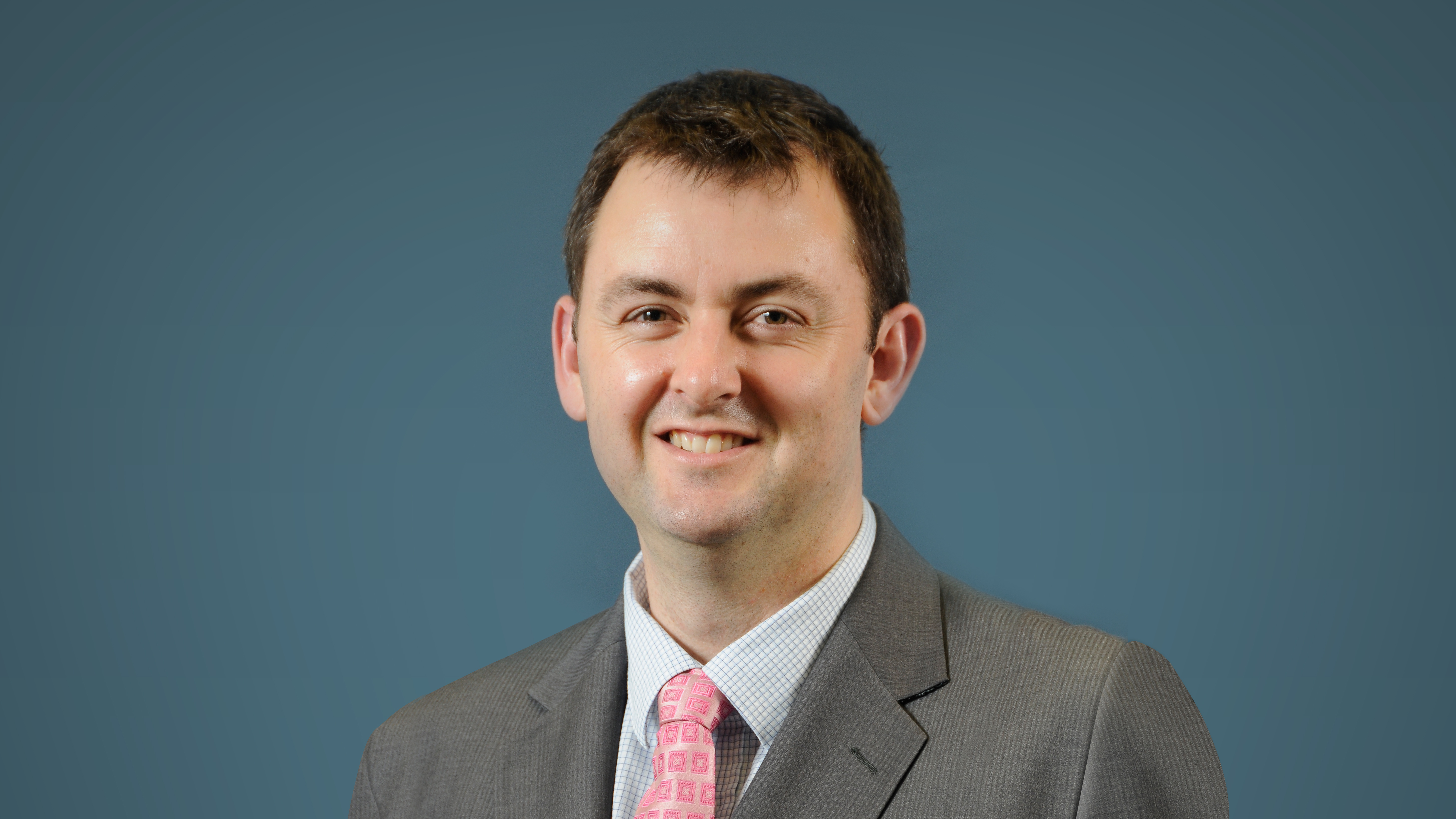
Dr Matthew Hopcraft, CEO of the Australian Dental Association Victorian Branch. (Image: Matthew Hopcraft)
The researchers analysed data gained from the Australian government for the period from February to September 2020. They focused on the number of services provided to children per month across five categories, namely diagnostic, preventive, restorative, endodontic and oral surgery, and compared those numbers with data from 2019.
“Not surprisingly, we found that the pandemic has had a significant impact on dental care—86.9% fewer services were provided in April and 48.1% fewer in May, across Australia. Additionally, there were around 60% fewer cases in August/September in Victoria during the second wave,” Hopcraft commented.
According to the findings, there was a sharp decline in preventive and diagnostic services. The impact of COVID-19 on endodontic surgery was less profound in comparison. “There was less of a decline in endodontic and extraction services, which is consistent with the restrictions allowing only emergency dental care,” he explained. “The concern is that potentially different treatment decisions were made in order to reduce aerosol-generating procedures. These may lead to worse oral health outcomes for patients, as the decisions particularly favoured extractions over restorative care.”
“We are yet to see the consequences of delayed diagnoses of oral cancer”
Whereas it is evident that delaying thousands of dental treatments has affected children's oral health, it is still unclear how far-reaching the impact of COVID-19 is. “We are yet to see the consequences of delayed diagnoses of oral cancer,” Hopcraft said.
The researchers noted that the dental services provided through the CDBS only represent a portion of the total dental care delivered in both the public and private dental sectors. However, given the nature of the restrictions that were imposed on dental practice, Hopcraft believes that similar findings would be reflected in the care delivered to all patients.
“Now that we have been able to quantify some of that impact, we can use this information in future planning to ensure that any restrictions on dental practice also take into account the impact on patient care,” he concluded.
BOSTON, US: 3DDX, a US-based digital dentistry company, has announced the launch of 3DDX AI Planning, the first artificial intelligence (AI) implant ...
ASTANA, Kazakhstan: In September, MegaGen hosted the 2026 Eurasia Scientific Meeting in Astana, convening around 230 dental professionals from Kazakhstan ...
DAEGU, South Korea: MegaGen has expanded its portfolio of products certified under Regulation (EU) 2017/745—the EU Medical Device Regulation (MDR)—to ...
CHICAGO, US: After receiving clearance from the US Food and Drug Administration in June, South Korean dental implant company MegaGen has announced the US ...
TORONTO, Canada: The 19th MegaGen International Symposium, held in Toronto in June, focused on developments in implant dentistry over the past five decades....
BIRMINGHAM, UK: DS World UK opened today at The Vox at the NEC Birmingham, bringing together more than 500 participants for two days of clinical education, ...
LAS VEGAS, US: DS World Las Vegas opened today at the MGM Grand Conference Center, bringing together more than 2,000 dental professionals from 16 countries ...
PRAGUE, Czech Republic: Dental imaging can have consequences beyond its immediate clinical purpose, including its environmental footprint and unexpected ...
LONDON, England: Although tissue-level implants can achieve satisfactory aesthetic outcomes, their use in anterior restorations continues to be debated ...
ZIYANG, China: Healthcare authorities in China are placing greater emphasis on product quality in the long-awaited second round of volume-based procurement ...
Education
Live webinar Mon. 26 October 2026 11:00 am EST (New York)



 Brazil / Brasil
 Canada / Canada
 Latin America / Latinoamérica
 USA / USA
 Austria / Österreich
 Bosnia and Herzegovina / Босна и Херцеговина
 Bulgaria / България
 Croatia / Hrvatska
 Czech Republic & Slovakia / Česká republika & Slovensko
 France / France
 Germany / Deutschland
 Greece / ΕΛΛΑΔΑ
 Hungary / Hungary
 Italy / Italia
 Netherlands / Nederland
 Nordic / Nordic
 Poland / Polska
 Portugal / Portugal
 Romania & Moldova / România & Moldova
 Slovenia / Slovenija
 Serbia & Montenegro / Србија и Црна Гора
 Spain / España
 Switzerland / Schweiz
 Turkey / Türkiye
 UK & Ireland / UK & Ireland
 China / 中国
 India / भारत गणराज्य
 Pakistan / Pākistān
 Vietnam / Việt Nam
 ASEAN / ASEAN
 Israel / מְדִינַת יִשְׂרָאֵל
 Algeria, Morocco & Tunisia / الجزائر والمغرب وتونس
 Middle East / Middle East

 Dr. Dimple DesaiRegister now1CELive webinar
 Dr. Ahmed ElmoghazyLive webinar
 Dr. Gil Asafrana D.M.D, B.M.ScRegister now1CELive webinar
 Dr. Adrian Gnatek PhD | Oral SurgeonRegister now1CE









To post a reply please login or register